
Part One: Something’s Wrong
The bridges bother me. Always have.
I grew up in Livingston watching the Mount Pleasant Avenue Bridge get patched over and over — new paint, new asphalt skin, same rotting bones underneath. I spent two years at the township infrastructure office designing a drainage modernization plan that would’ve actually fixed something. They cancelled the contract in an email. No meeting. No explanation. Just a line through my name and a polite thanks for your time.
I kept driving over that bridge every day after that. Feeling it flex under my tires. Feeling how wrong it was.
Then one morning I realized I wasn’t just feeling it. I was talking to it.
I don’t know how else to explain it. I was sitting in my car on Route 10, stuck in the 8 a.m. parking lot that passes for a commute around here, and the overpass started — singing isn’t the right word, but it’s close enough. A low, slow vibration working through the concrete and up through my steering wheel and into my palms. And I understood it. I understood the exact point three supports down where the load distribution was wrong. I could feel it like a bad tooth.
I got out of the car. Right there in stopped traffic. I pressed both hands against the concrete guardrail and I listened to the whole span at once.
It was in agony. Nobody was listening.
I decided to make them.
Part Two: Following the Thread
I didn’t want to hurt anyone. I want to be clear about that. What I wanted was for someone — anyone — to look at the actual data. I had the structural reports. I had the stress models. I had two years of work showing exactly how bad things were getting under the surface of this town.
Nobody reads reports. Everybody reads headlines.
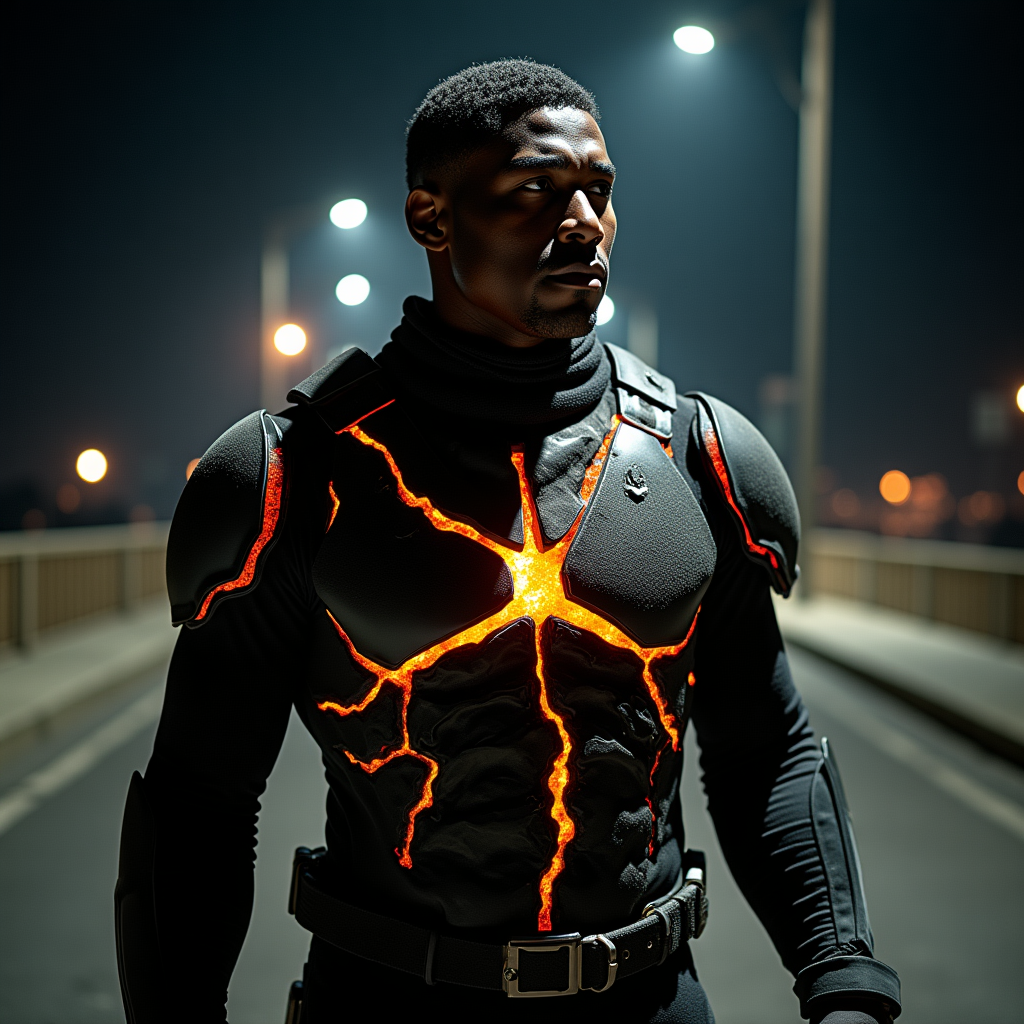
So I started small. Subsonic pulses. Low enough that no instrument in the township’s outdated monitoring system would catch them, but strong enough to accelerate what was already happening. A resonance here, an oscillation there. Let the foundations tell their own story through the cracks.
I followed the old drainage lines south from Route 10, mapping the weak points I already knew by memory. The infrastructure wasn’t just failing — it was failing in exactly the pattern I’d documented. My cancelled report was coming true in real time, and all it took to prove it was a few carefully tuned vibrations.
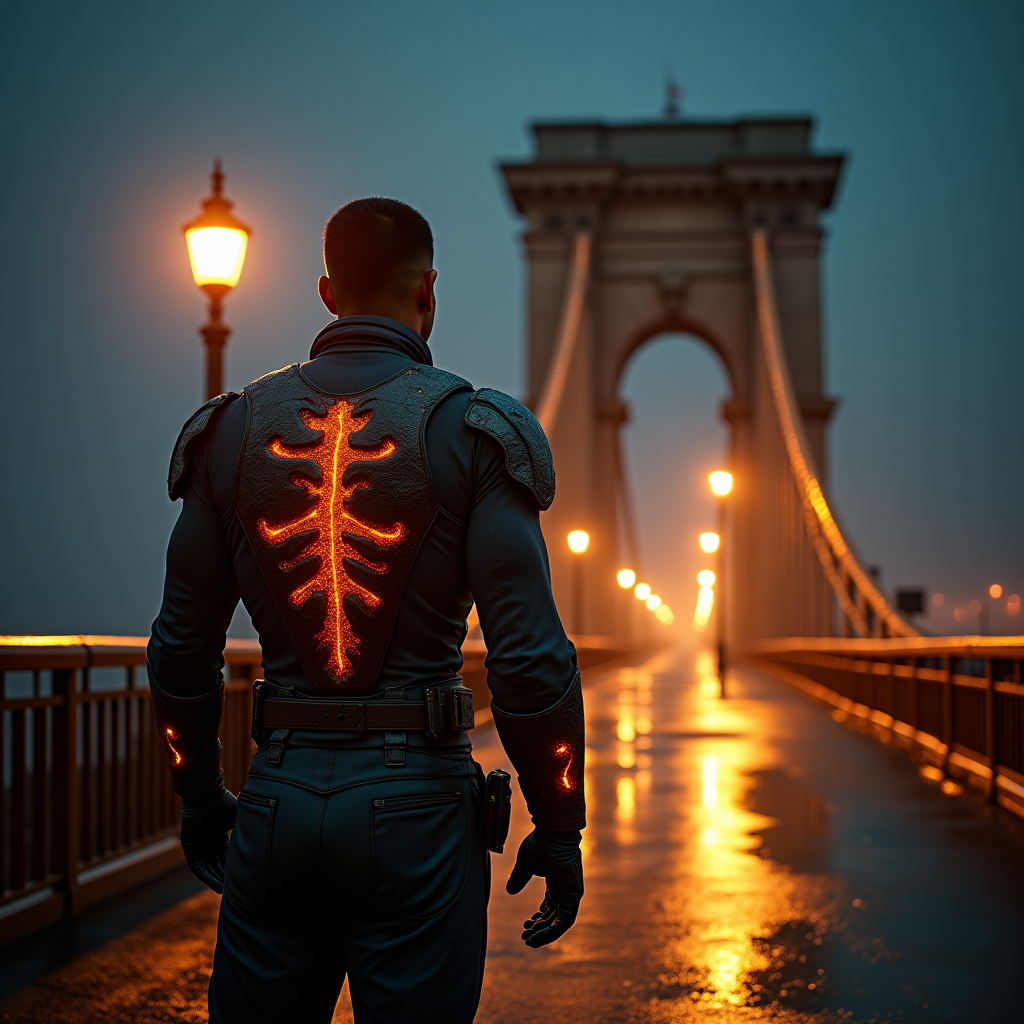
I set up at the base of the Mount Pleasant Avenue Bridge at 2 a.m. and ran the first real test. The cables hummed at a frequency just below what anyone could hear. The whole span sang back to me.
It was the most honest conversation I’d had in two years.
Part Three: The Reveal
She found me at Canoe Brook. I don’t know how.
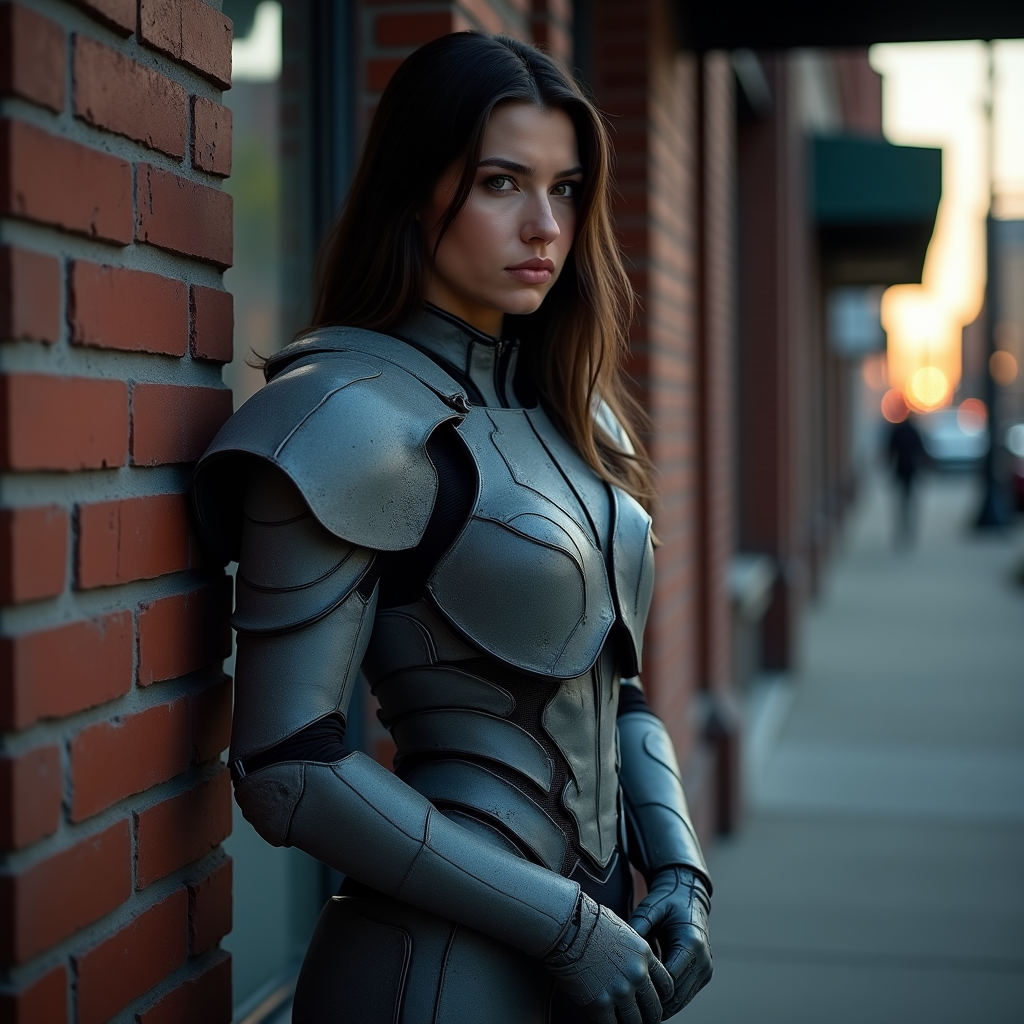
She was a pharmacist. Late 20s, White, wearing a jacket that looked unremarkable until she pressed her palms against the nearest boulder and the whole creek bed seemed to tilt toward her — geological chitin plating spreading across her arms and torso, sediment-gray panels hardening over her field vest like the ground itself was suiting up for a fight. She said her name didn’t matter. I knew what she was the moment she redirected my first pulse like it was a wrong answer on a test.
I hit her with everything I had — a resonance cascade up through the creek bed, aimed at the bridge support sixty meters north. I felt the span begin to oscillate. The cables started to sing.
She planted both hands on the earth and caught it. Just absorbed the whole wave into the surrounding soil, bled it off harmless. She looked exhausted doing it.
I sent two more. She stopped both. On her knees for the third one, but she stopped it.
Then she said: “You didn’t build this. You can’t unmake it just because they ignored you.”
I wanted to tell her that’s not what I was doing. That I wasn’t trying to unmake anything — I was trying to force a reckoning. That the bridges were going to fail on their own eventually, and at least this way I controlled when and whether anyone got hurt.
But a wall cracked behind her when I wasn’t paying attention, and I saw her face, and I ran.
Part Four: Aftermath
The township commission announced an infrastructure review. My report — the real one, the one they cancelled — is basically what they’re working from now. They didn’t call it that. They didn’t call me at all.
I’m still out here. Still listening.
The Route 10 overpass hums at a different frequency than it did six months ago. Something shifted in the support columns. I’m the only one who can feel it.
I’m not the villain in this story. I’m the engineer who was right. There’s a difference. I keep telling myself that.
I’m not sure I believe it anymore.