

Part One: The Cold Open
The wind shifted over Eagle Rock Reservation at 7:14 on a Thursday morning, and Claire Dunvane’s coffee went cold before she could drink it.
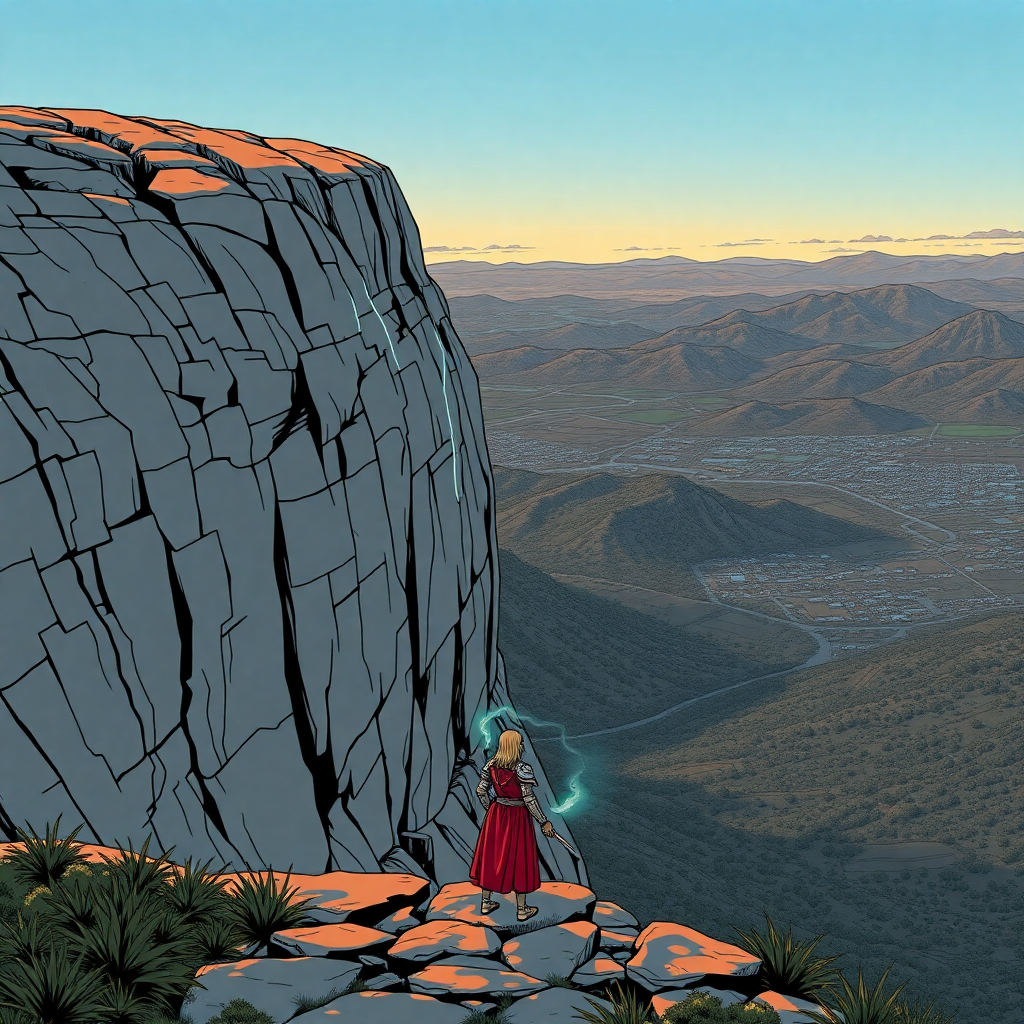
She had been standing on the basalt ridge watching the valley when the molecules hit her: not pollen, not exhaust, not the usual Route 3 corridor slurry of rubber and diesel. This was chlorinated solvent, drifting northeast in a thin invisible rope straight toward Montclair State’s campus. Her sinuses lit up like a gas chromatograph. She dropped the coffee. The mug rolled off the ridge and into the understory below.
Nobody saw this. Nobody needed to. The plume, however, absolutely did not care about her schedule.
Part Two: The Investigation
She traced it on foot, moving down from Eagle Rock toward the valley floor, her breath drawing in data with every inhale — trichloroethylene, methanol, something sulfurous and old that didn’t match anything currently permitted on the industrial corridor manifest she’d memorized last autumn.
At Bay Street station she stopped. The commuters waiting for the Midtown Direct were oblivious, but a MontclairAir volunteer handing out flyers about the Drive Electric Earth Month events looked at her strangely when she pressed her nose against the morning air and said, aloud, “That’s not coming from Route 3.”
The volunteer, a retired chemist named Otto, lowered his clipboard. “Actually — funny you say that. Third week running, the testing equipment at Brookdale Park’s north field has come back spotless. Not low. Zero. Like the samples are being cleaned before they’re read.”
Clean samples. Neutralized. Not diluted — neutralized.
Claire’s jaw set. She knew one power that did that.
She ran the molecular trail backward like a thread through a maze, past Anderson Park, along the old DeCamp bus depot boundary, to the back entrance of the Essex County Redevelopment Office — a glass-fronted suite in a building that hadn’t existed eighteen months ago.
Part Three: The Pivot
On the frosted glass door, a gold-leaf logo read: Watchung Wellness Corridor Initiative — Saeeda Holloway, Director of Remediation Planning.
Claire stared at the name. The Holloway Clan. Of course.
The Holloways had spent two generations arguing that the Watchung ridge cliffs didn’t need protection — they needed development. And if the air quality data kept coming back pristine, no regulatory hold could stop a rezoning. Saeeda wasn’t cleaning the air. She was neutralizing the evidence of what was in it, letting the real plume drift onward while the monitoring stations read paradise.
The ancient Dunvane-Holloway feud — ridge stewards versus ridge merchants — had found its newest, most bureaucratic form.
Part Four: The Reckoning
The confrontation happened at Brookdale Park’s north field at dusk, which was, Claire reflected, at least scenic.
Saeeda Holloway stood in an expensive wool coat with a leather-bound ledger under one arm, looking exactly as someone looks when they are absolutely certain they have already won. She was mid-sixties, with sharp dark eyes and the patient expression of a woman who had outlasted three county administrations. Beside her, the air sampling station’s green light pulsed steady. Clean. Always clean.
“The ridge has sat idle for forty years,” Saeeda said pleasantly, without turning around. “Remediation permits in hand. No contamination on record. What exactly is your complaint?”
“My complaint,” Claire said, and breathed in, “is that right now the plume is at 340 parts per billion of TCE, heading northeast, and your pathogen neutralization field is stopping the monitors but not the molecules.”
She exhaled.
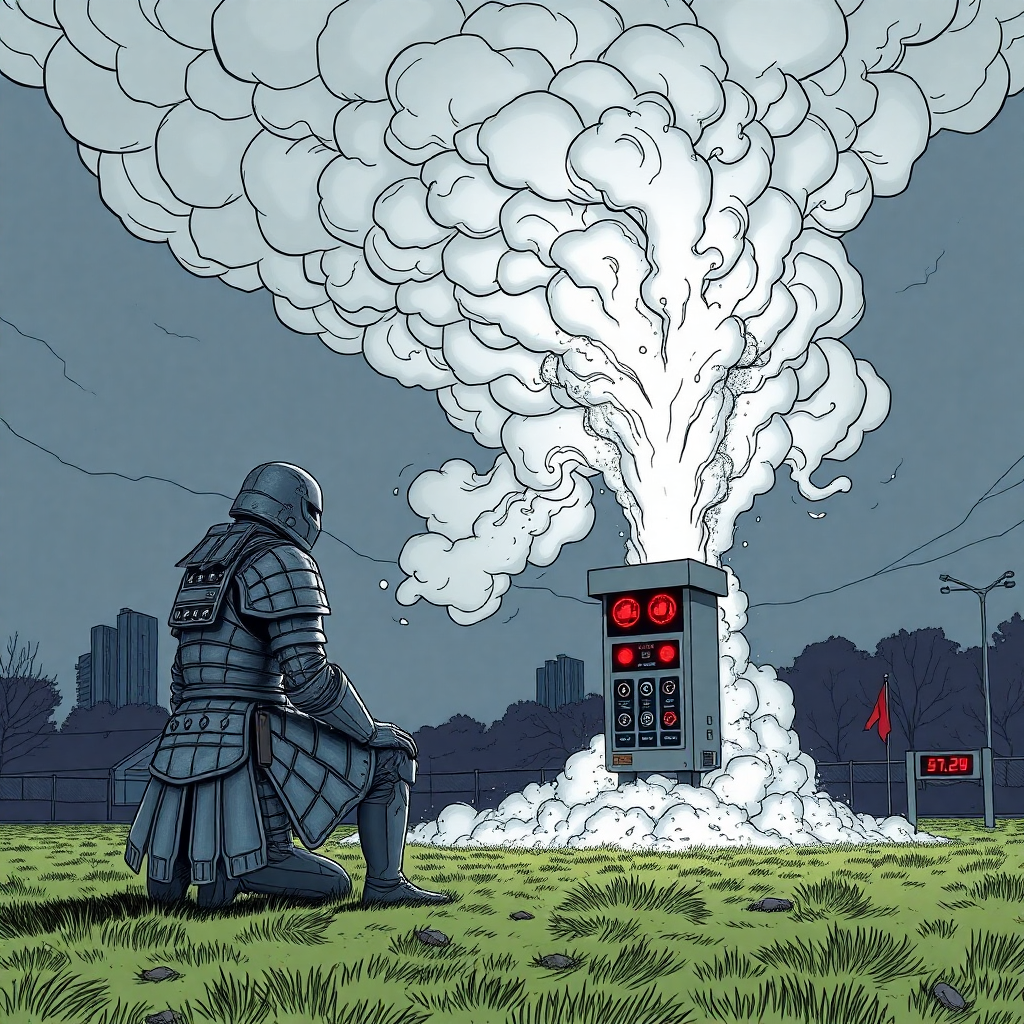
The molecular plume she’d been holding in her sinuses since Eagle Rock billowed out visibly — a shimmer of silver vapor that poured across the grass and lit up around the sampling station like a photograph developing. The sensors screamed. All of them. Simultaneously.
Saeeda’s composure fractured by precisely one millimeter. She pressed two fingers together — the Holloway neutralization gesture — and pushed. The shimmer began to dissolve.
Claire breathed in again and pulled it back, feeding it directly into the station’s intake. The machine couldn’t be overridden if it was sampling live from the source. She’d basically turned herself into a direct line.
The printout spooled onto the grass. Saeeda looked at it for a long moment.
“This isn’t over,” she said, picking up her ledger.
“It never is,” Claire agreed.
Part Five: The Resolution
By morning, the Essex County Redevelopment Office had received a data request from three separate regulatory bodies simultaneously. The Watchung Wellness Corridor Initiative’s permits were suspended pending review.
Montclair State’s campus air read clear — genuinely clear this time, because the actual plume had shifted back toward the corridor by midnight under a merciful northern wind.
Otto from the MontclairAir table texted Claire a single line: monitoring station back online, readings make sense again. She sent back a thumbs-up and poured a fresh coffee.
The Dunvane Clan had held the ridge for six generations. The Holloways would find another angle — they always did. Somewhere in that glass-fronted office, Saeeda Holloway was already turning a page in her ledger, and the next entry had already been started.
The plume knew which way the wind blew. So did Claire.
Sources
- Nutley baseball bounces back with 3-1 week
- Thanks to NJ, Mike Johnson Just Had Another Terrible Week
- Gas prices got you down? Learn about EVs at Drive Electric events this week
- Progressive Democrat Wins Special Election in NJ
- NJ went all-in on wind power in 2022. This year, Gov. Sherrill says maybe someday.
- NJ Gov. Sherrill says FIFA should fund World Cup transit — would OK $100 train tickets
- NJ newsrooms are dying and shrinking, but is government funding the answer?
- Sepultura Premiere New Single “Beyond The Dream” From Upcoming Final Studio Album “The Cloud Of Unknowing”
- Sanders-backed NJ Dem accused of hiding from voters as skipped forums pile up
- SEPULTURA Recruits Members Of TITÃS For New Single “Beyond The Dream”
- Montclair, New Jersey — Wikipedia
- U.S. Census Bureau, American Community Survey 5-Year Estimates (2022)