Part One: The Cold Open
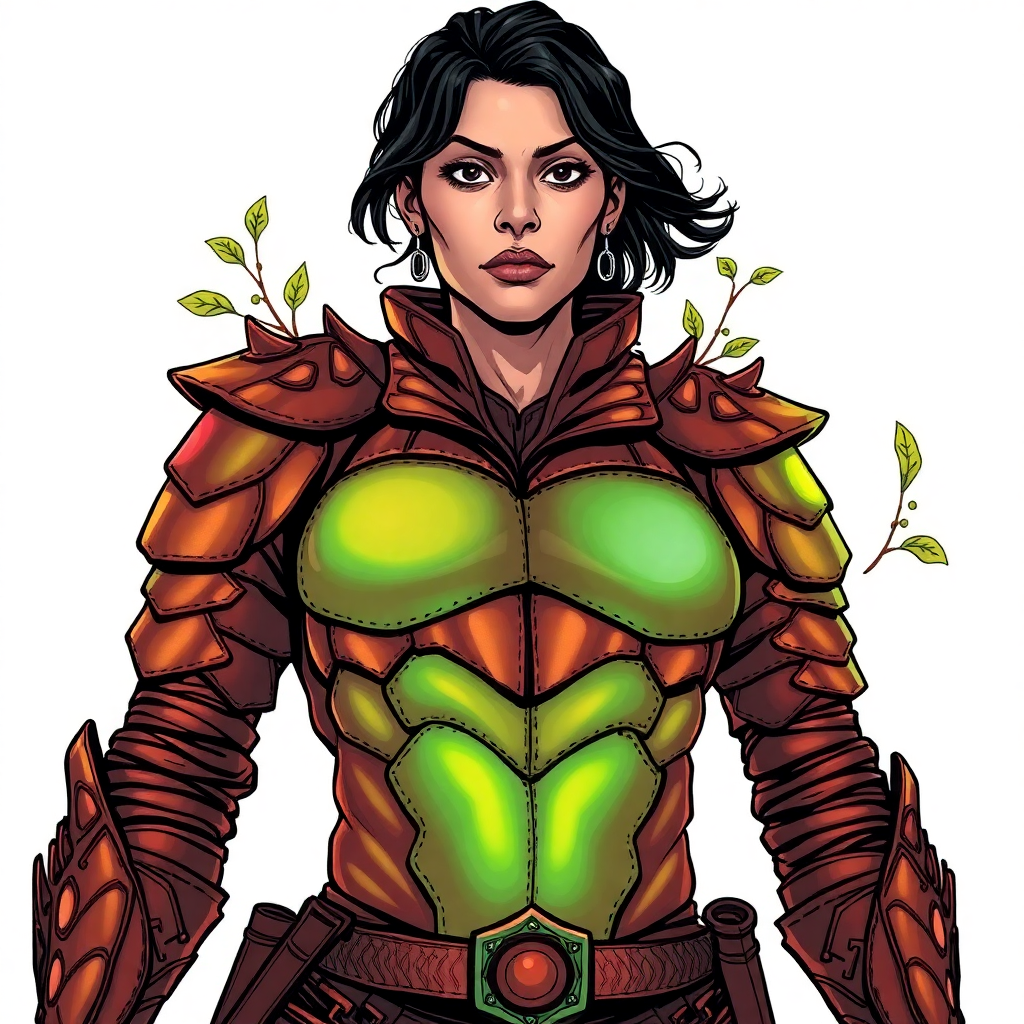
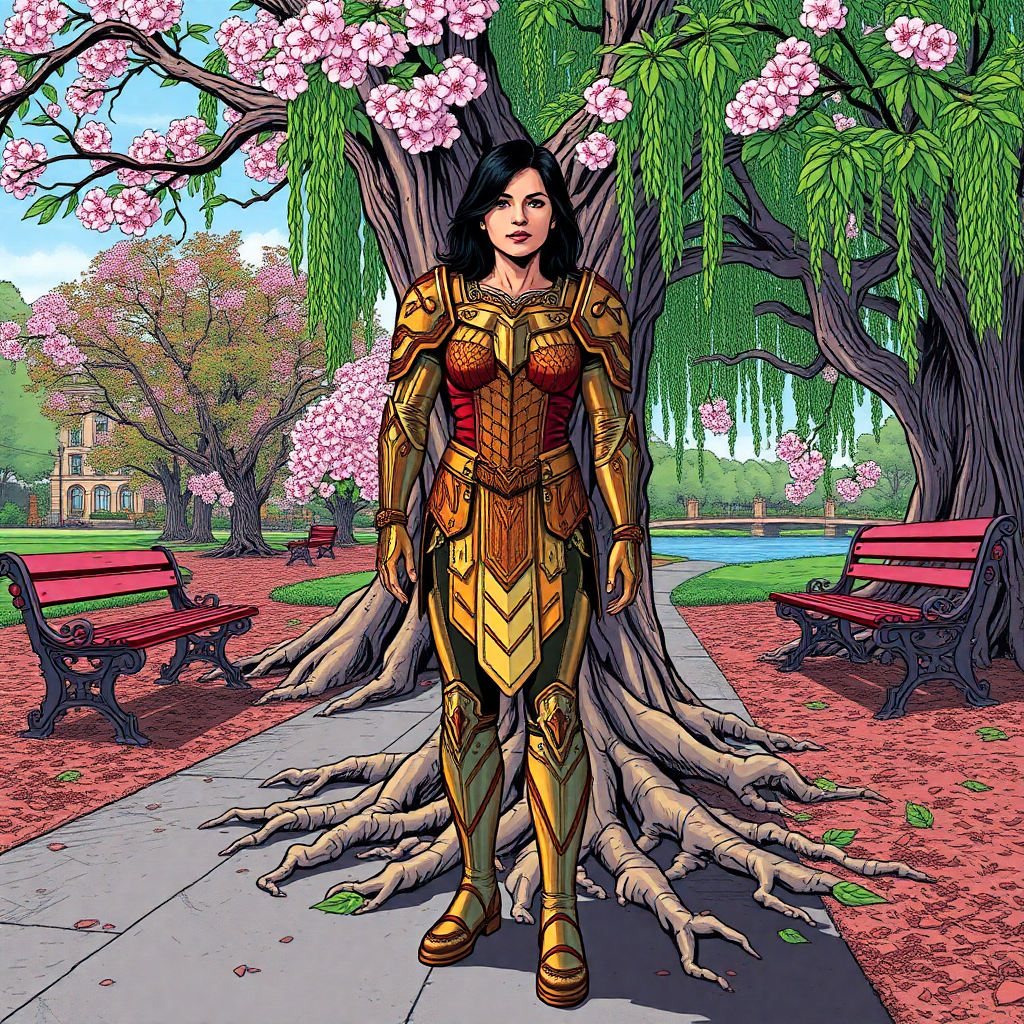
The cherry blossoms along Rock Road were two weeks early and six feet too aggressive. By Thursday morning, ornamental trees lining the path through Saddle River County Park had tripled in girth overnight, their roots shouldering through the asphalt and curling around the park benches like possessive fingers. The borough’s parks crew photographed it, went for coffee, and didn’t come back — which was, Luciana Vane reflected, exactly what she’d intended.
She stood at the edge of the tree line in a coat that cost more than most people’s property tax bills, both palms flat against a riverside willow, and felt the borough’s soil answer her like a long-held breath finally released. Right on schedule. Mostly.
Part Two: The Investigation
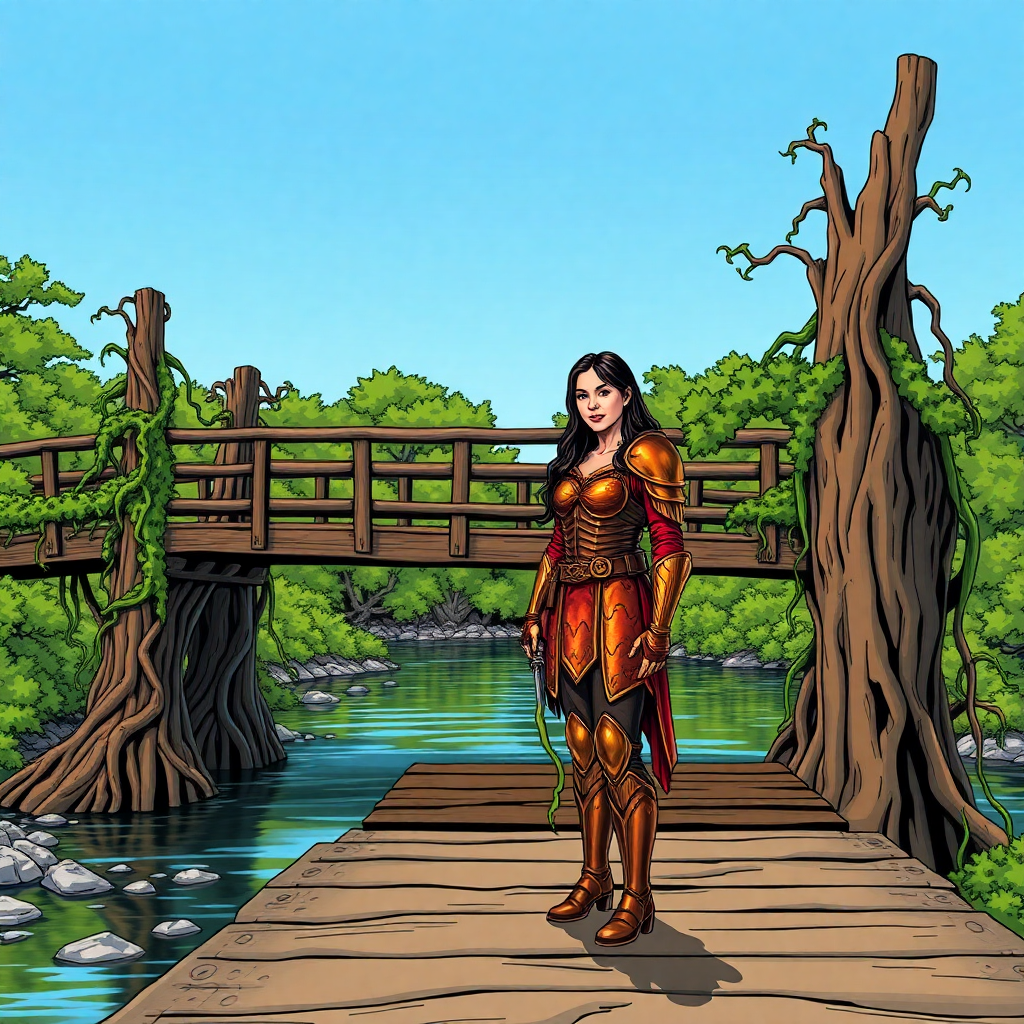
The Crannock parcels ran northeast from the footbridge, following the Saddle River’s old floodplain — prime land that the Vane clan had nearly purchased in 1987 before a quiet remediation made the deal fall through. Luciana had spent three years relearning the boundary lines from her grandmother’s ledgers, cross-referencing them against the borough’s property assessment rolls and two sets of hand-drawn clan maps her family kept behind the false back of a credenza in Ridgewood. She was thorough. She was methodical. She was, by any honest accounting, a great deal more prepared than a ten-year-old with glowing shins.
She worked the root grid from south to north, pressing clan-memory into each tree: push here, hold there, thread under the maintenance gate, circle the boulder three times — tight, deliberate. The Glen Rock itself had resisted her for nearly twenty minutes. A glacial erratic the size of a Buick, planted at the corner of Rock Road since the last Ice Age, apparently had opinions. She’d persuaded it eventually. The roots didn’t care about opinions. They cared about instruction.
A retired surveyor named Walt Pinney watched her from his bench with the expression of a man who had been holding something for eleven years and was weighing whether now was the time. She noted him. She noted the crumpled map in his coat pocket. She accelerated the strawberry runners along the path’s edge — quickly, visibly — to give him something else to look at. That, she reflected, was a mistake.
Part Three: The Pivot
She had meant the root grid to finish before the spring assessment. If the Crannock parcels were botanically claimed — root-surveyed, bark-staked, growth-marked in a language older than Bergen County zoning law — the Vane clan’s counterclaim would have standing in the underground registry that neither borough hall nor any state agency had ever known to look for. The Crannocks cleaned the soil. The Vanes would own it. Clean.
The satisfying part — and Luciana was not ashamed to find it satisfying — was that the Crannocks had done the remediation themselves. Every plume of trichloroethylene quietly neutralized was a parcel made whole, made valuable, made worth taking back.
Then the soil went strange beneath the footbridge, and she understood that the boy had found Walt’s map.
Oh. Of course they’d sent someone.
Part Four: The Reckoning
She heard him before she saw him — the riverbank soil exhaling, that particular clean-river smell that meant a Crannock was pulling. She kept both palms on the willow. The tree obeyed her completely. Six others were already bending toward the boundary line.
“You’re early,” she said, without turning. “They usually send someone older.”
The willow drove a root at his feet. He stepped aside with the reflexive grace of someone who’d been stepping around things his entire short life, pressed both hands to the muddy bank, and started pulling — not at the roots, but at what was feeding them. The floodplain’s accumulated richness: chromium, lead, VOC traces, decades of industrial runoff the borough had never officially acknowledged. He took the richness out. He neutralized it in a long bright pull, and the roots slowed, stuttered, and began, reluctantly, to retract.
Luciana turned around. She looked at the neutralized bank. She looked at the boy. She performed, internally, a rapid recalculation.
“That’s not in the clan histories,” she said.
“Neither am I,” said Spillward. His shin had stopped glowing, at least.
She left along the riverbank at a pace that was technically a walk. The strawberry runners marked her path to the park’s edge and then simply stopped — a tidy border, which was more than could be said for the rest of the evening.
Part Five: The Resolution
By Friday morning the roots had retracted, the path was mostly intact, and the borough’s parks crew returned from coffee with the expressions of people who had entirely lost track of time. The Glen Rock stood where it always had, unmoved.
The spring assessment would proceed without the root-survey. The underground registry would sit one entry shorter. The Vane clan would file something — they always filed something in the spring.
Luciana drove back to Ridgewood, pulled the credenza ledgers, and began the next set of maps. The Crannock boy was young, his range limited, his knowledge still largely borrowed from a retired surveyor on a bench. The soil had centuries yet. So did she.
Sources
- Athlete of the Week – Nutley’s DeJianne has Raiders in first place
- Belleville boys volleyball starts 6-0, earns state ranking
- In bloom: NY and NJ cherry blossoms are objectively the best in the nation
- Nutley’s DiPiano is named NJWCA State Coach of the Year
- Glen Rock, New Jersey — Wikipedia
- U.S. Census Bureau, American Community Survey 5-Year Estimates (2022)