Coldmarsh of the Wetlands
Part One: Something’s Wrong
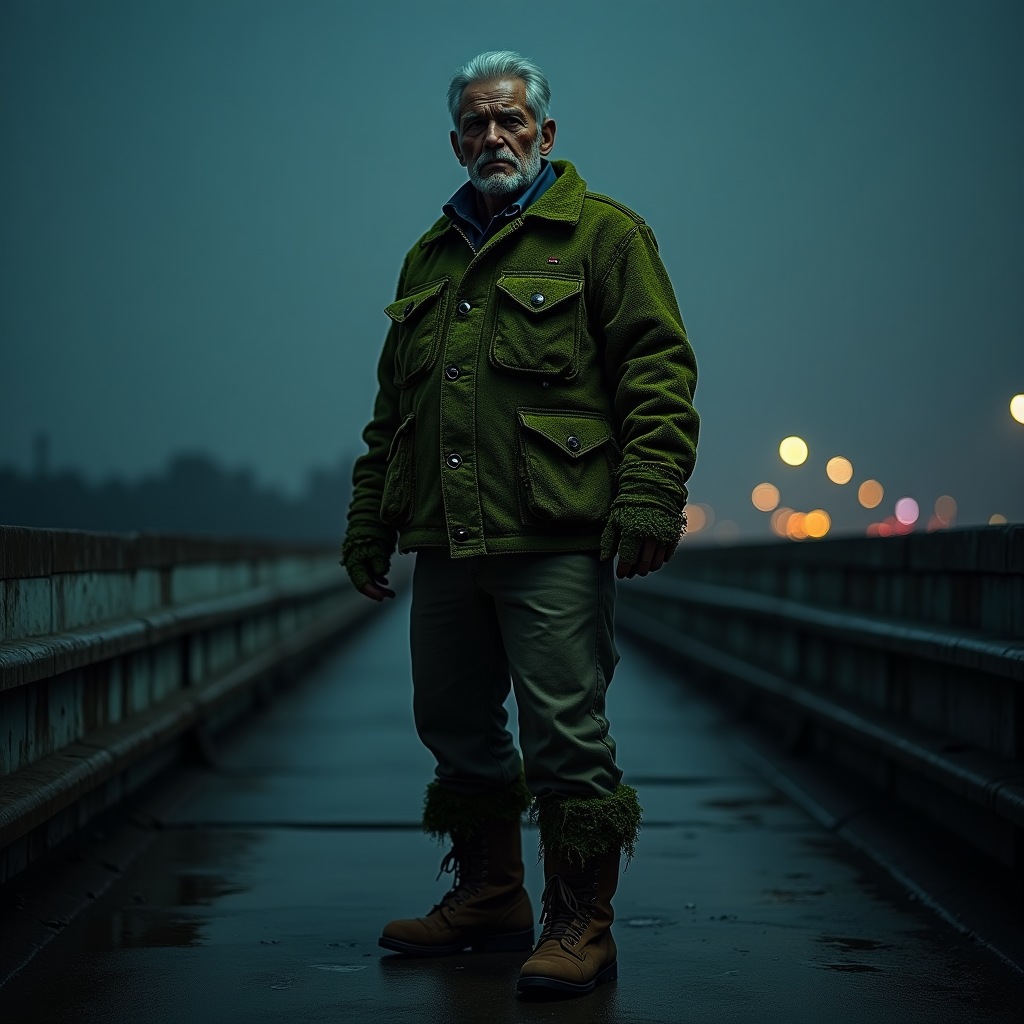
I’m seventy-two years old. I have bad knees, a good thermos, and forty years of watching this town get used up and handed back to someone else every September.
I grew up on the inland side of the bridge. My family was here before Route 72 was a real road. Before the summer people turned Manahawkin into a toll booth for Long Beach Island. We were the town. Now we’re the traffic cone.
The marsh changed me. I didn’t ask it to.
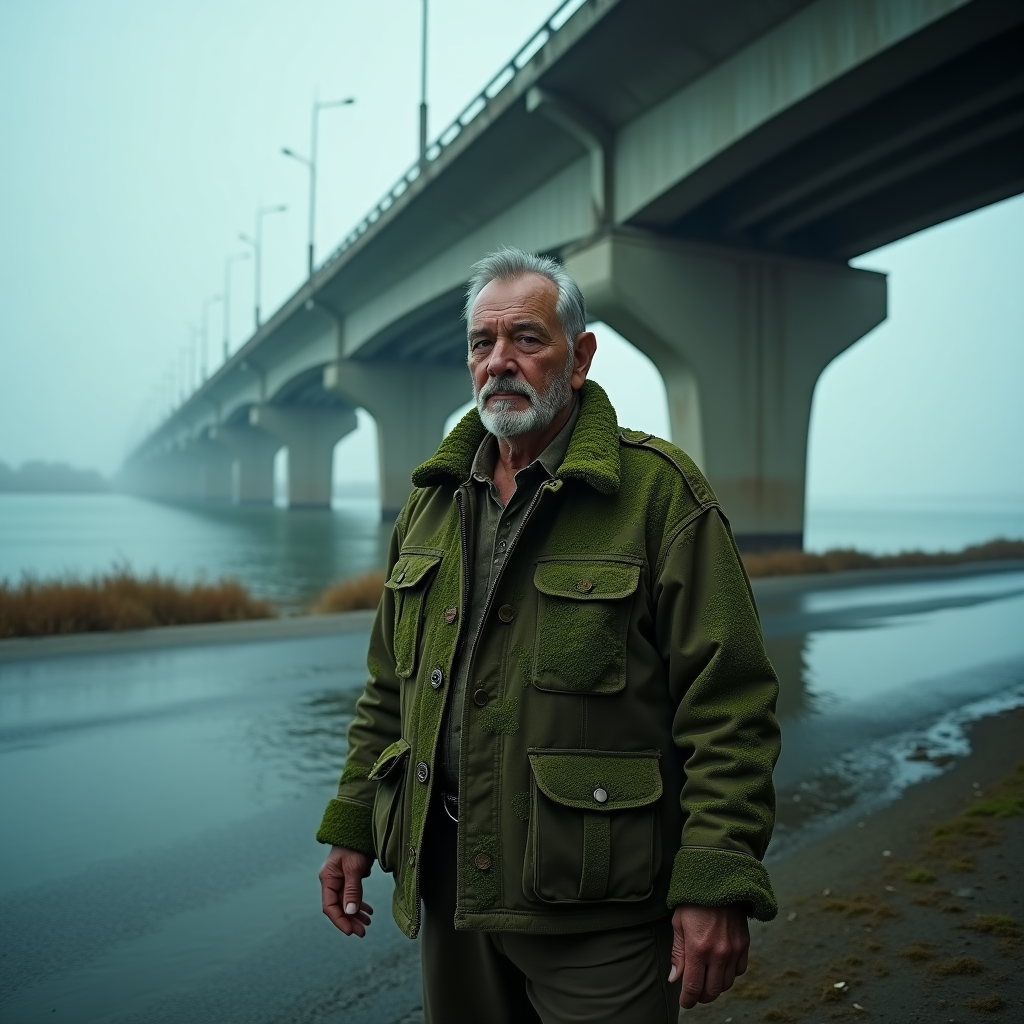
I was out in my old flat-bottom skiff before dawn, same as I do every morning I can manage it. The brackish channels behind Cedar Bonnet Island, where the peat goes deep and the water smells like iron and rot and something older than memory. I fell in. That’s it. That’s the whole story. I fell in and came up different.
I could feel the water still in the ground. All of it. Every saturated root, every drainage ditch, every pooled channel threading through ten thousand acres of marsh grass. It was in me like a second heartbeat.
I sat in the skiff for an hour before I moved again. The egrets didn’t even look up.
Part Two: Following the Thread
I didn’t go looking for a fight. I went looking for an explanation.
The development came first — the notice posted at Town Hall about a new mixed-use project slated for the edge of the marsh corridor off Route 9. Parking structure. Hotel. The whole sales pitch. “Gateway revitalization.” That phrase should be illegal.
I walked those property lines. I know that land. I’ve walked it since I was a boy with my father and his father before him. I crouched down in the marsh grass and pressed my palm flat against the peat and felt what they were planning to pave over.
That’s when I understood what I could do.
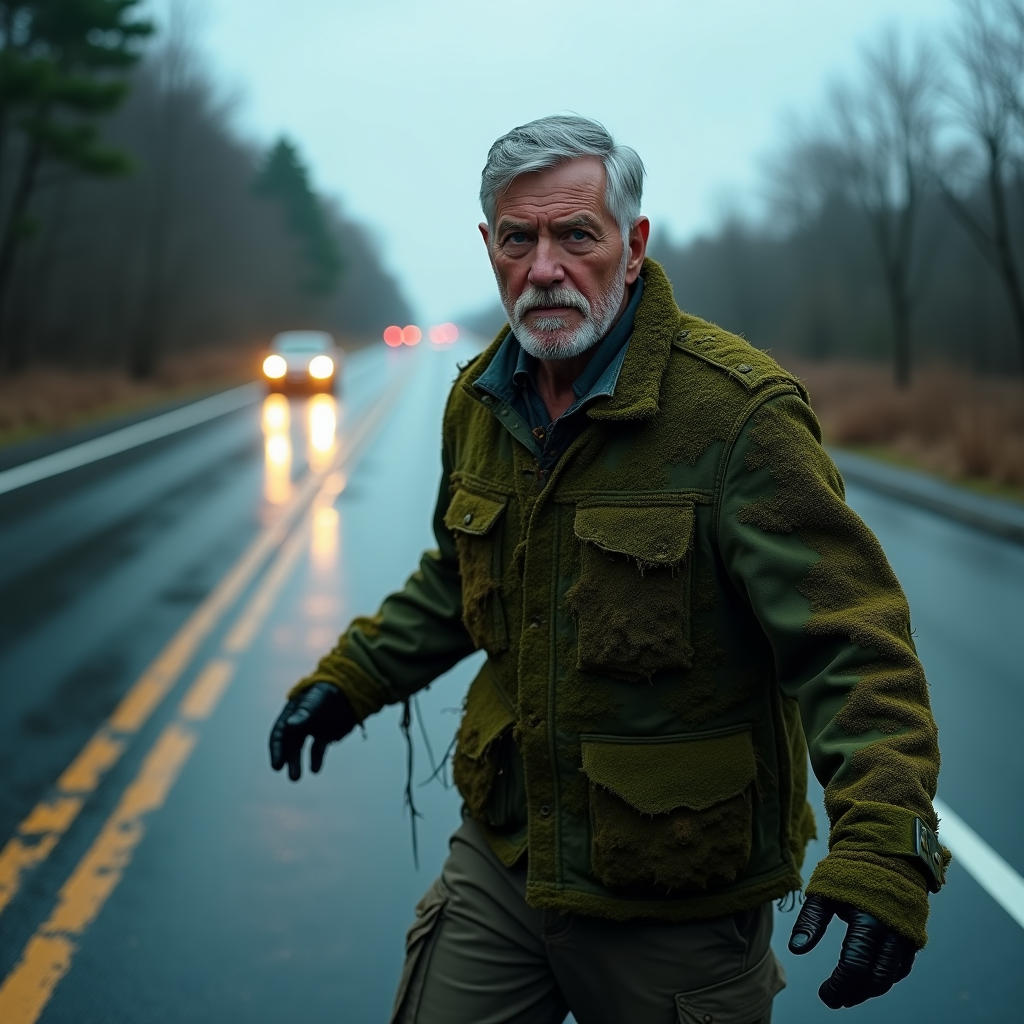
The drainage patterns under that parcel fed directly into the channels that run beneath Route 72. The road that is the only way in and the only way out. The road that every Memorial Day weekend turns Manahawkin into a parking lot while the rest of us can’t get to a grocery store, a doctor, a school.
I could hold that water back. Build it up slow in the peat, let the saturation climb until the ground beneath the asphalt turned to porridge. Or I could release it all at once — push it up through the channels, let the marsh reclaim what was always the marsh.
I didn’t do it yet. I just needed to know that I could.
Part Three: The Reveal
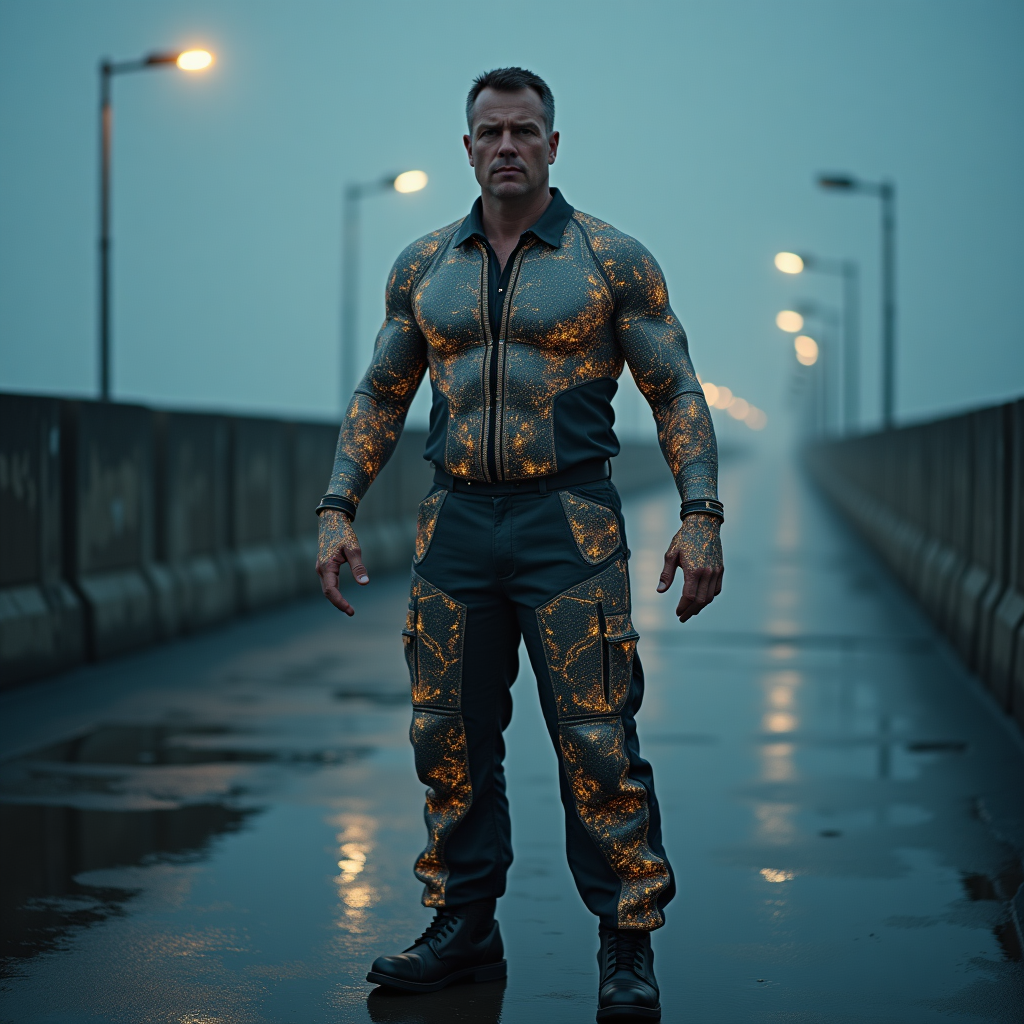
The contractor was named Waveborn. I learned that after. In the moment, he was just some broad-shouldered guy in a work jacket standing in the boat ramp parking lot at midnight, looking at me the way people look at something they don’t have a word for yet.
I was on the bridge walkway. I’d opened the channels wide — pulled the absorption back from three square miles of peat all at once, let the water table surge upward through the root systems and into the drainage ditches along the causeway. The road was softening. You could hear it — a low sucking sound beneath the concrete. The smell was extraordinary. Sulfur and salt and ten thousand years of organic rot rising into the night air.
He came at me with sound. I felt it before I heard it — a directed pressure, moving the air above the bay in ways that felt almost personal.
I pushed back with water. Drew it up through the bridge pilings, let it sheet across the road surface in a thin cold film. He lost his footing for a second. Just a second.
He redirected. He’s good. The sound went wide, dissipated, and he was already moving toward me, walking like a man who’d done hard physical work his whole life — steady, unrushed, not afraid.
The water I’d built up in the peat began to fall back. I could hold it or I could talk. Not both.
I let it fall.
Part Four: Aftermath
He sat next to me and said I wasn’t wrong. I told him I knew.
What I didn’t say — what I couldn’t say at two in the morning on a bridge to a stranger with a jawline like a cliff face — is that I’m not trying to win. I’m trying to make them understand the cost.
Every summer they drive through this town like it’s a hallway. They don’t see the marsh. They don’t smell it. They don’t know it breathes.
The development permit is still active. The peat is still full of water I put there.
The road will flood again. I’ll make sure of it.