
Darkmoor of the Whippany
Part One: Something’s Wrong
My name is Gordon Pallister. I’m forty-four years old. I spent twenty-two of those years measuring sediment loads, filing water tables, and watching people nod politely while they ignored everything I said.
I didn’t ask for the smoke.
It found me the way grief finds you — slowly, then all at once. I was standing behind the old Whippany River corridor near the mill ruins, going through my files one last time after the state formally terminated my conservation contract. The foundry smell hit me. That old iron-and-char smell that this valley never fully lost, three hundred years after the forges went cold. I breathed in without thinking.
And the smoke breathed back.
The plume from a controlled burn two lots over — some brush clearing crew — just bent. Toward me. Like a dog coming when called.
I didn’t run. I should have. Instead I lifted my hand and it followed.
Part Two: Following the Thread
I told myself it was a tool. That’s the thing about grief logic — it’s not stupid, it’s just broken in one specific place where it counts.
I’d spent three years submitting flooding risk reports on the colonial-era foundations along Morris Street. Three years of photographs, soil analyses, timestamped water data. The park administration filed them. The county filed them. Everyone filed them, which is another word for buried them.
Then the state cut the environmental monitoring budget and took my position with it.
So I started reading my own reports differently. If nobody was going to listen to what the water was doing, maybe I could make the water say it louder. And if I had this thing — this smoke, this particulate, this industrial breath that the Whippany valley had been exhaling since Washington’s troops were still alive — maybe I could make the town choke on the history it was so proud of ignoring.
I practiced in the old mill corridor. The particulates responded like I was conducting them. Plumes of ash and sulfurous haze, channeled, thickened, directed. I could hold a wall of it over the Green long enough to coat every colonial-era sign in grime. Long enough to sting eyes. Long enough to make people stop pretending everything was fine.
The town square first. Then the park. Then the Ford Mansion path, where the plaques go unread and the foundations go unfixed.
I wasn’t trying to destroy it. I was trying to make them feel it.
Part Three: The Reveal
She found me near the old mill path off Western Avenue. Ten years old. Soaking wet from the knees down and furious about it. I recognized her — I’d seen her on the riverbank before, the Bellamy kid, poking at the current with her hands like she was testing it.
I hadn’t expected the river to come with her.
“I know what you’re doing,” she said. Just like that. No preamble.
“Good,” I said. “Someone should.”
She asked me to stop. I told her I’d stop when the park administration read page forty-seven of my 2023 report. She didn’t have a response for that. I pushed a thick curtain of smoke — ash and carbon and two centuries of foundry particulate — down from the treeline toward the Mansion path, the familiar haze thickening to a gray shroud that swallowed the trail markers whole.
She pulled the Whippany up over the bank in a hard, curling sheet of water and drove it straight into my smoke wall.
The water hit the haze and scattered it — not cleanly, not completely, but enough. Droplets grabbed the particulates out of the air and dragged them down. I pushed harder. The smoke condensed, went darker, a column of acrid sulfur that stung her eyes and coated the oak trees in gray film.
She coughed. Stood her ground. Pushed the river at the base of my column and cut the airflow out from under it. I felt it — the smoke requires movement, current, the old valley draft. She was starving it.
We stood twenty feet apart on the Whippany bank and the air between us was a war.
She was faster than I expected. I was angrier than was useful.
The smoke thinned. She’d cut off the corridor.
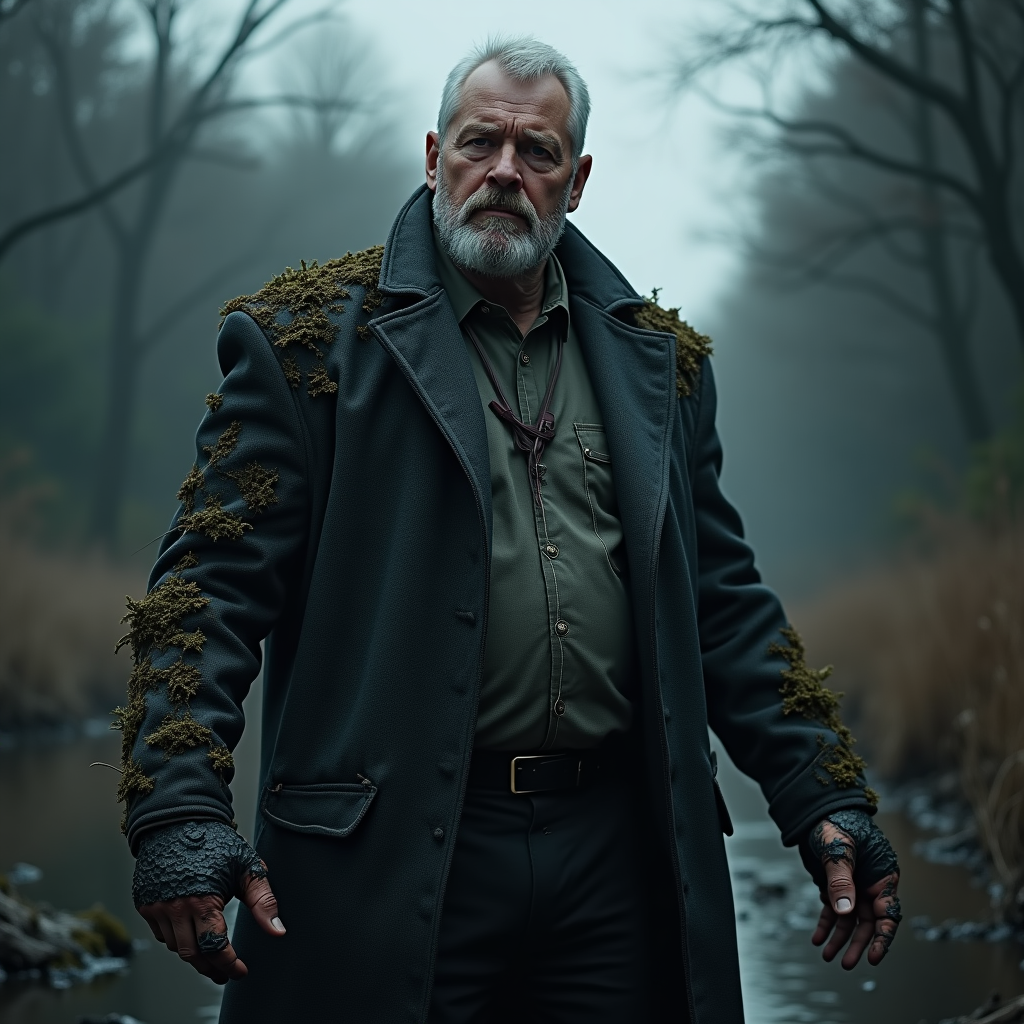
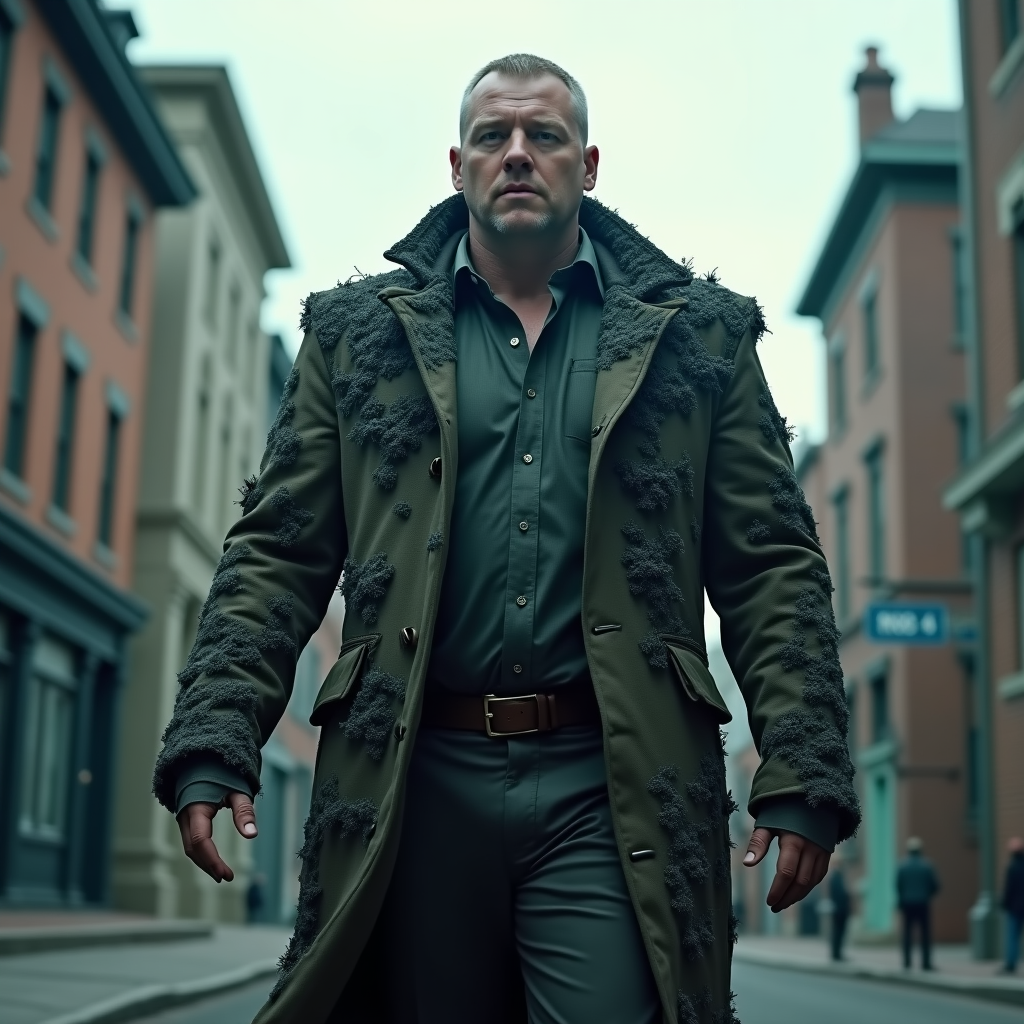
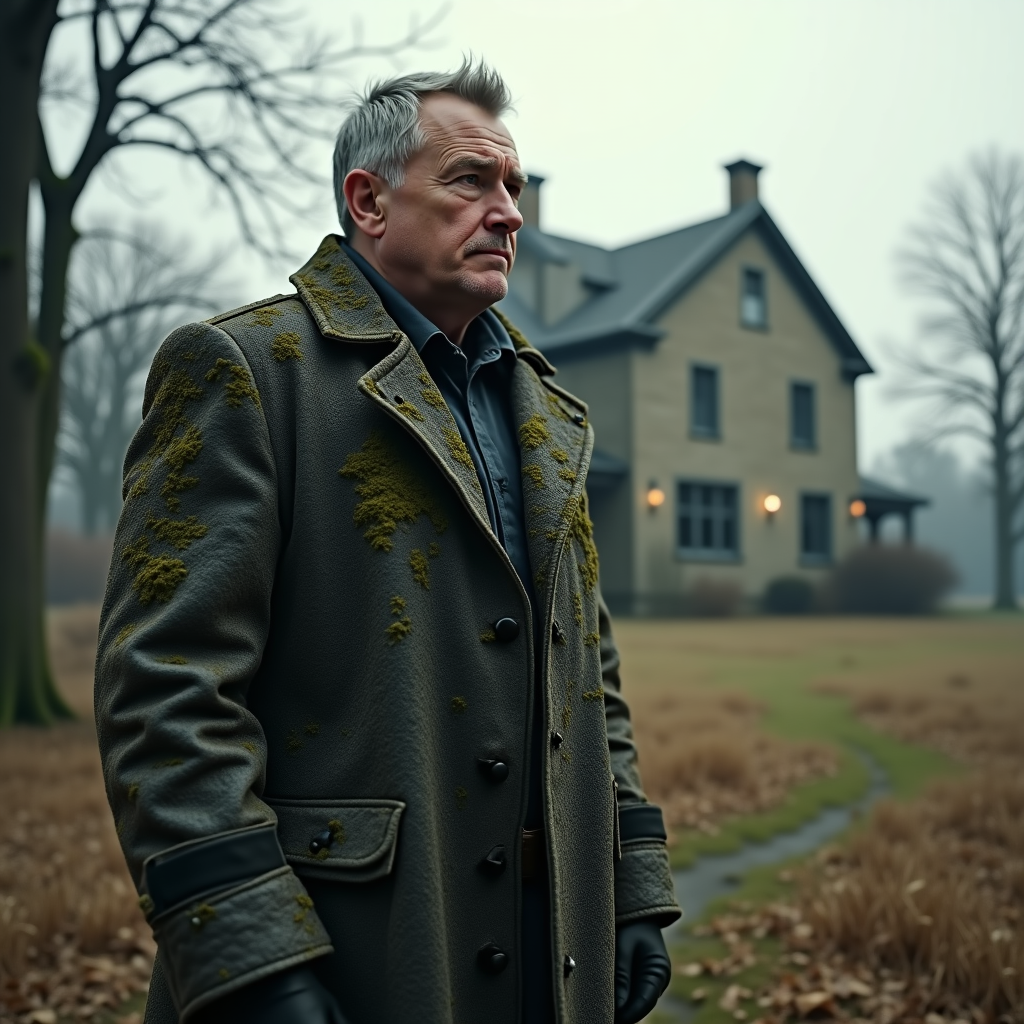
I stood there in what was left of my field coat — the sedge and root-rot had been growing over it for weeks and I’d barely noticed — and for a moment I was just exhausted.
Part Four: Aftermath
I left before she could figure out what to do with me.
The smoke dispersed. The Green cleared. The park issued a statement. Nobody mentioned me.
I still have the reports. All of them. Page forty-seven is still true. The foundations are still at risk. The flooding data doesn’t care whether I’m employed or not.
The Bellamy kid moved the river to stop me. She’s ten years old and she’s already better at being heard than I ever was.
That’s either hopeful or the most depressing thing I’ve ever thought.
I haven’t decided which.