
Part One: The Cold Open
Cael Dredgewater had not planned to spend his Sunday making Newark uninhabitable. He had planned to close three property deals by noon and be home before the Rutgers game. Plans, as the Dredgeborn elders liked to say, were just kindling.
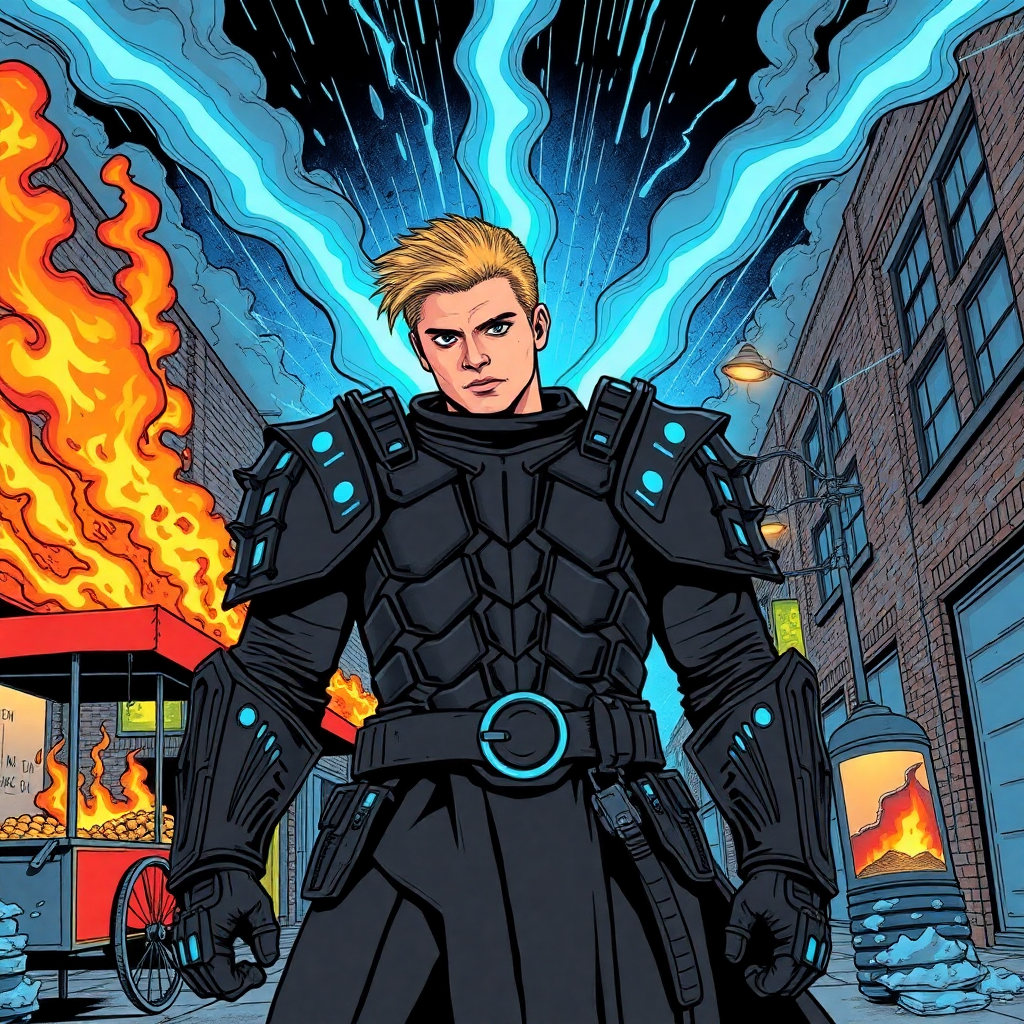
He stood at the edge of the Ironbound district and spread two fingers against the air. The gas leak from the warehouse across the street — reported, logged, embarrassingly well-documented — simply failed to ignite. No spark. No flame. No drama. The air sat there, cold and cooperative, and Cael allowed himself one small, private smile. The tannery flats were going to be his by August.
The food cart on the corner sputtered out. Cael didn’t look at it. Collateral suppression was inelegant, but the old grudge wasn’t a precise thing.
Part Two: The Investigation
The Dredgeborn had been meticulous. Cael started at Penn Station — the new development listings were already posting above-market, which meant his suppression field was working faster than projected. Cold air, cold stoves, cold showers, cold buyers. Three months of this and the Passaic tidal blocks would be economically inert. He could walk in with a certified check and the ghost of a clear conscience.
He checked his ledger at the converted loft on Raymond Boulevard. The paperwork was immaculate — Cael had always been better at documents than his cousin Renny, who once tried to suppress a campfire in Branch Brook Park and accidentally killed a kettle grill competition. Renny was not invited on operations.
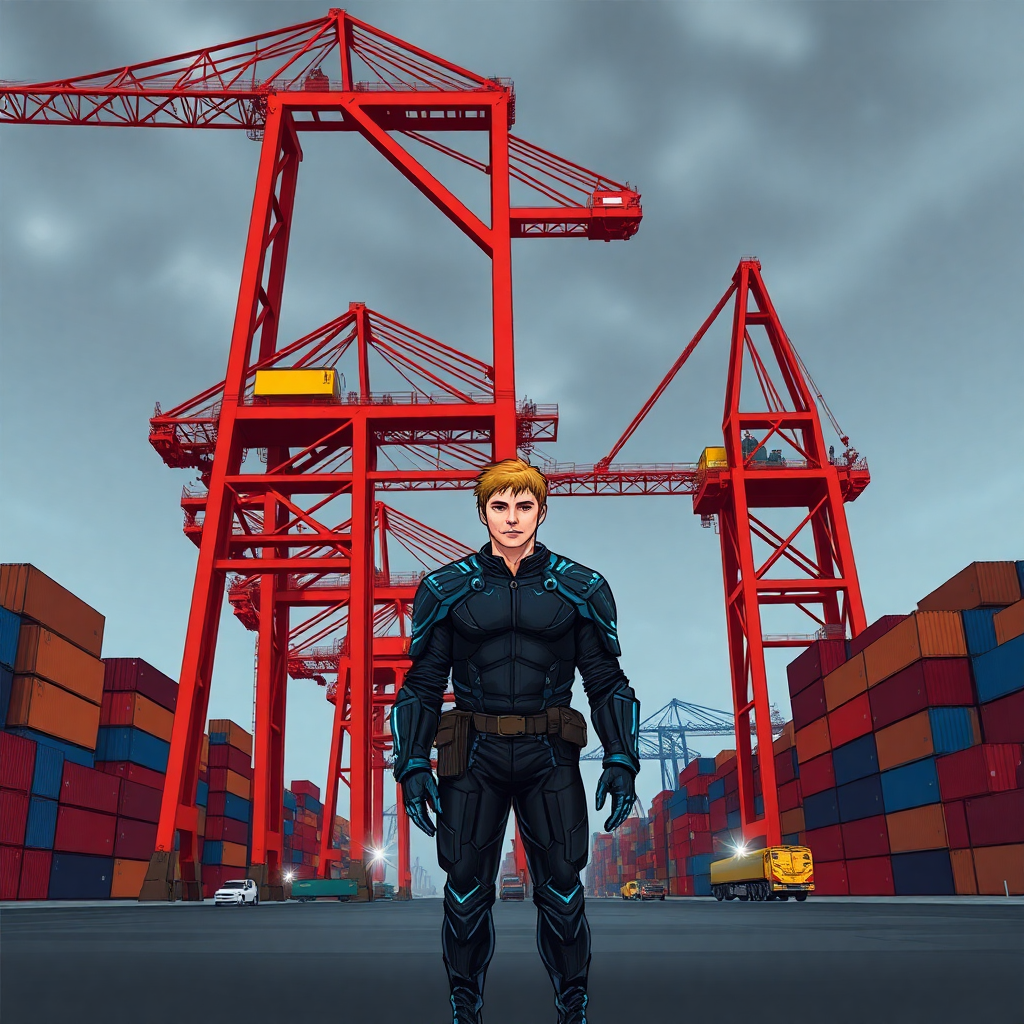
The old port markers were responding correctly. He moved north along the waterfront, pressing the suppression field another quarter-mile toward the Passaic mouth, and only then noticed the wind behaving badly near the container cranes. Not a sea wind. Not a bay wind.
A directed wind.
He checked his coat collar with the automatic dignity of a man who had rehearsed looking unruffled. Simone Harborfall had found him faster than projected.
Part Three: The Pivot
The Dredgeborn parchment he kept in his inside jacket pocket — the original clan charter, ink still smelling of tidal mud and three-hundred-year-old resentment — confirmed what he already knew. The Passaic Clan’s weatherworker had read the pressure void and traced it home. Of course she had. The Harborfall lineage had been the Dredgeborn’s counterbalance since before the ironworks arrived and took everything that had been slow, careful, and theirs.
The housing market collapse was not a coincidence. It was a correction. The tannery flats had been Dredgeborn territory — ignition rights, water rights, the right to decide what burned and what didn’t — and the ironworks families had simply decided, one profitable century at a time, that those rights didn’t count.
Cael straightened his lapels.
Harborfall, he thought, with the serene irritation of a man who had known the answer before he asked the question. Right on schedule.
Part Four: The Reckoning
He pulled the air flat the moment she rounded the warehouse corner — two fingers, practiced, the suppression field dropping over the block like a heavy lid. The food cart went out. The boiler in the building behind him clanged dead. Even the streetlight flickered, which was not technically his power but which he accepted as a bonus.
Simone didn’t slow down.
The bay wind came screaming down Raymond Boulevard with the specific personal fury of an Atlantic gust that had been waiting three centuries for an opening. It hit Cael’s suppression field like a fist into a vacuum. He held it — he was Dredgeborn, not amateur — fingers spread, both hands now, the field stuttering and compressing and holding.
Then she did something the parchment had not warned him about: she didn’t push through the suppression. She curved around it, threading the wind through every gap in his concentration, and the field buckled from six directions at once.
The air cracked back. Every pilot light on the block reignited. Cael stumbled, caught himself on the For Sale sign, and then the For Sale sign collapsed.
He was upright and two blocks away before she cleared the aluminum frame off her foot. The ledger was still in his coat. The charter was still in his pocket. The tidal flats were still there, still contested, still cold in places that had no meteorological business being cold.
He did not consider it a loss. He considered it a postponement.
Part Five: The Resolution
The listings came back online by Monday. The boilers ran warm. The Ironbound’s food carts lit on the first try, and the warehouse gas leak was officially attributed to a faulty regulator valve, which was the kind of explanation Newark’s municipal records had been accepting for three hundred years.
Cael updated his ledger on the train home, revising the August timeline to October. The Dredgeborn had waited this long. They could wait a little longer.
The parchment smelled like the river — old, patient, and not remotely finished.
Sources
- Rutgers Womens Basketball: Former Purdue Guard Tara Daye Returns Home For Her Final Year of Eligibility
- Carín León Details New Album MUDA, Shares “Ruca”: Stream
- Republican NJ Rep. Kean has been absent for months. It’s tricky for Dems to say much.
- Adekunbi Adetayo Commits to the 2027 Navy All-American Bowl
- Dem city checking all the boxes for WORST housing market in the US as it overtakes Austin in price declines
- Heinrich, Booker Push ‘No Immunity for Glyphosate’ Bill as Supreme Court Weighs Monsanto Case
- How to buy Megan Moroney tickets for the Cloud 9 Tour, dates, and prices compared
- Feds hunt mystery drone thieves who swiped 15 sprayers that Army warned could be weaponized
- Fifteen industrial spray drones capable of dispersing chemicals recovered by feds weeks after New Jersey theft
- He’s the only lead tester in this contaminated neighborhood. He graduates next month.
- Newark, New Jersey — Wikipedia
- U.S. Census Bureau, American Community Survey 5-Year Estimates (2022)