

Harborfall of the Whippany
Part One: Something’s Wrong
My name is Cora Bellamy. I’m ten years old. I like lacrosse, Art Garfunkel (don’t laugh — my grandma got me into him), and not getting soaked while walking to school.
So naturally, the Whippany River started following me around.
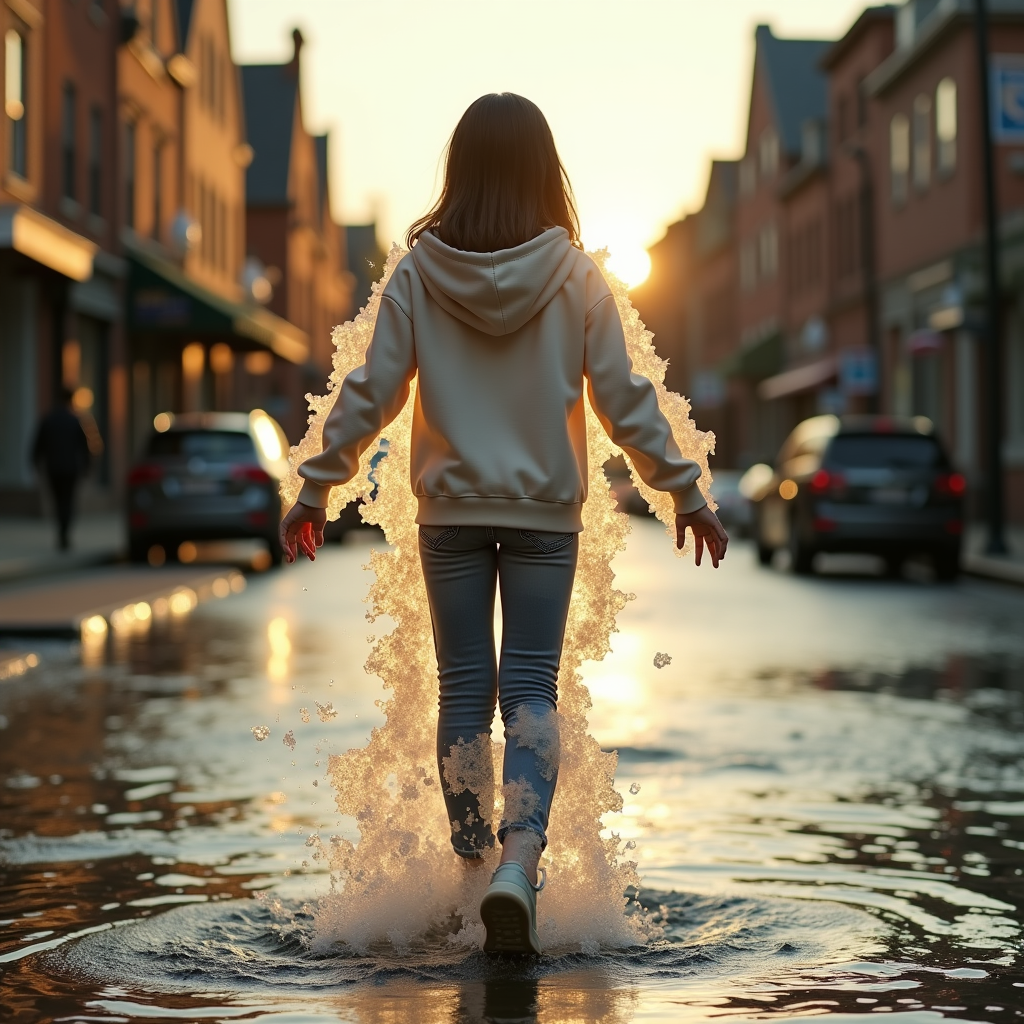
It started on a Tuesday. I was cutting through the path behind the old mill off Western Avenue when I slipped on the bank and grabbed at the air like an idiot. Except the water moved. Not a little. The whole surface lifted — curved toward my hand like it was leaning in to say hello.
I stared at it. It stared back. Or whatever a river does. Stares.
I dropped my backpack and ran home.
Part Two: Following the Thread
By Thursday, I had tested it six times. I could pull the current left. Push it right. Make the water flatten like a table or bunch up into a rolling ridge that moved however I pointed. I didn’t know what any of it meant, but I knew it felt like something I’d been waiting for without knowing I was waiting.
Then people started calling it in. Flooding. Not seasonal — wrong time of year for that. Someone or something was pushing the Whippany backward. Upstream. Against itself. The water was backing into low basements along Morris Street, seeping under the floorboards of buildings that had survived two hundred years of New Jersey weather.
My dad works at a law firm two blocks from Morristown National Historical Park. He came home shaking his head. “Historic buildings, Cora. Colonial-era foundations.” He looked genuinely sick about it.
I started doing the math. The flooding was moving toward the park. Slowly. Methodically. Like someone was steering it.
Part Three: The Reveal
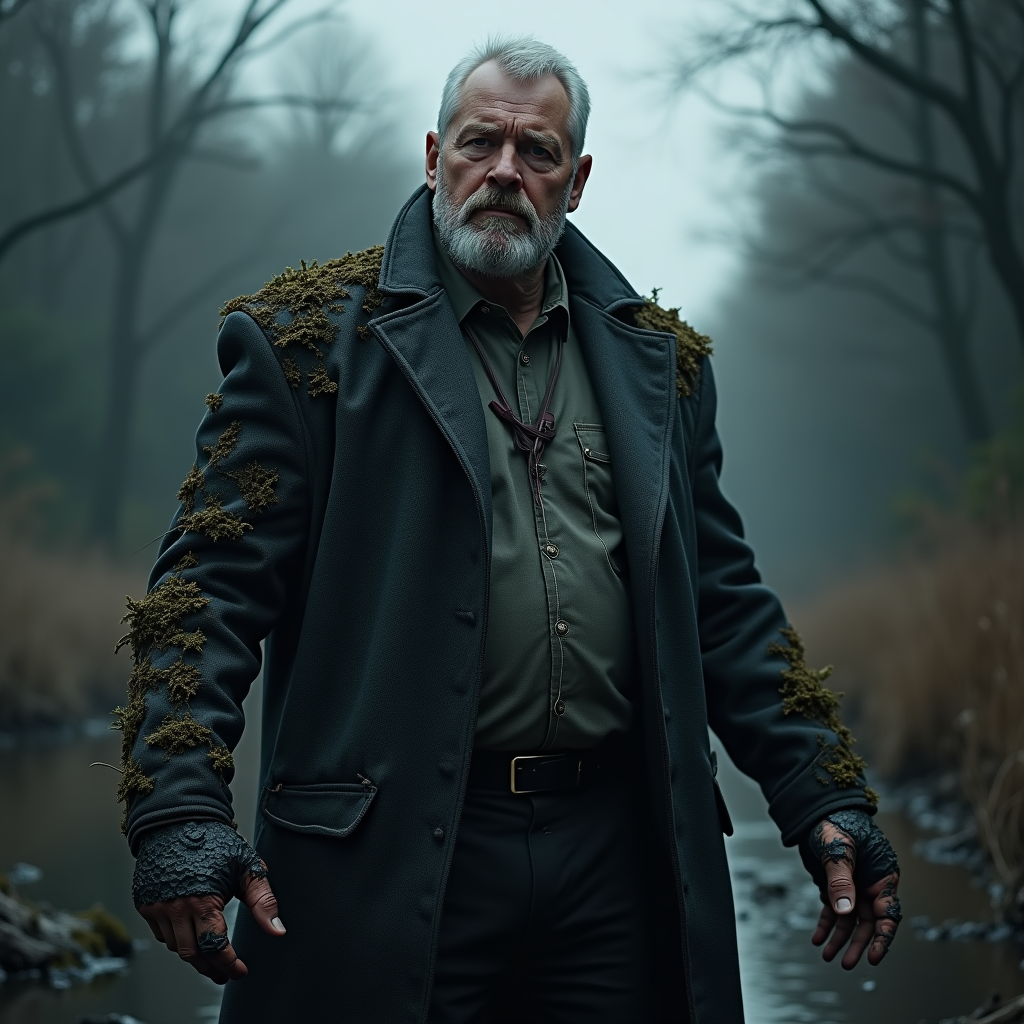
His name, according to a plaque I found face-down in the mud near the old Ford Mansion path, was Gordon Pallister. Or had been. He called himself Darkmoor now — a White man, mid-forties, wide through the shoulders, in what used to be a field researcher’s coat before the wetland sedge and black root-rot had colonized every inch of it, building up into thick dark panels of rot-peat and dead reed that formed a kind of drowned armor across his chest and arms. His face showed through the decay like something carved into peat bog. He’d been a park conservationist once. The kind who actually cared.
Until the state pulled his funding. Until the park administration ignored his flooding reports for three straight years. Until he decided if no one would listen about the water, he’d use the water.
He was redirecting the Whippany to undermine the foundations of the very buildings he used to protect. Grief logic. I understood it, even while I was terrified of him.
“You don’t know what they let happen here,” he said. His voice was like something dragged out of the riverbed.
“No,” I said. “But drowning it won’t fix it.”
He sent the current at me like a wall.
I caught it.
It felt like catching a football with both hands — that hard, sudden impact that travels up your arms — except the football was six feet of river surge. I held it, shaking, then twisted my wrists and redirected it, hard left, away from the Mansion path, up the bank, and into the empty overflow culvert where it could go without hurting anything.
He pulled more. I pushed back. The Whippany churned between us like it couldn’t decide whose side it was on.
He was stronger. I was faster. I didn’t redirect the river at him — I redirected it around him, cut off his channels one by one, starved his surge until the water calmed and the current went back to its right direction.
He stood there. Breathing hard. Soaked. Suddenly just a tired guy in a ruined coat.
Part Four: Aftermath
The flooding stopped. The foundations dried out. The park issued a statement about “unusual weather conditions.”
Nobody mentioned a ten-year-old with her hands in the river.
I stood on the Western Avenue bridge the next morning and watched the Whippany move the right way — past the mill site, steady and cold and old. This river kept Washington’s army from starving. It ran the mills that built this town. It’s been here way longer than any of us.
Gordon Pallister was gone. And his flooding reports — the ones nobody read — were still out there somewhere. Real problems, wrong solution.
I’m ten. I can move a river.
I don’t know what I’m supposed to do about the rest of it yet.