
Part One: Something’s Wrong
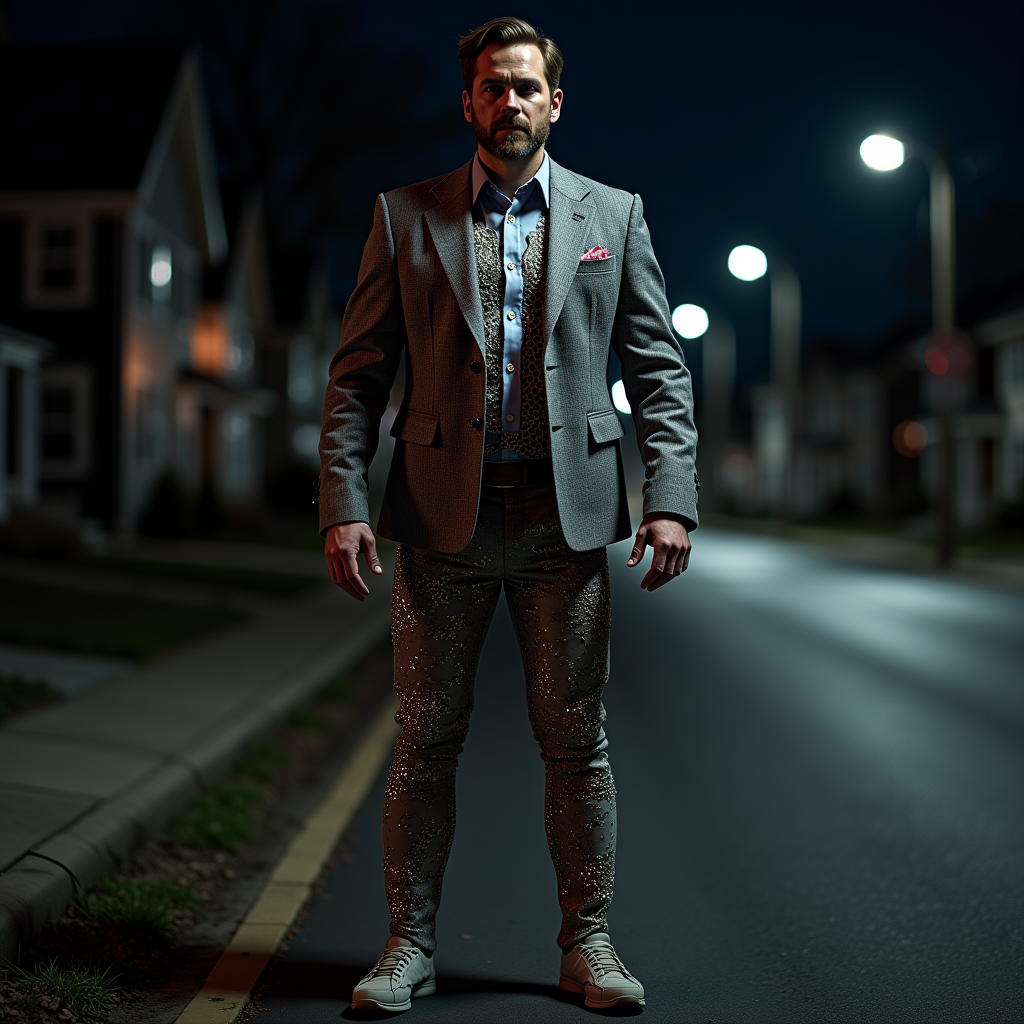
My name is Greg Harmon. I’m forty-four years old, I teach urban planning at Seton Hall, and until three weeks ago the weirdest thing I’d ever experienced was my upstairs neighbor’s 6 a.m. accordion practice.
Then I started hearing the pipes.
Not like a drip. Not like a rattle. Like music — low, structural, coming up through the soles of my shoes while I walked down South Orange Avenue. A hum that mapped itself into shapes in my head. Cylinders. Angles. Brick curves from the 1800s. I could feel every junction in the storm drain grid under my feet like I was reading braille through concrete.
I told myself it was stress. I told myself I needed more sleep. Then I pressed my palm to the sidewalk near Montrose Park and watched a crack fissure out in front of me like I’d drawn it. I felt it before it happened. I heard where the weak point was.
That’s when I stopped telling myself it was stress.
Part Two: Following the Thread
The sinkholes started appearing in April. Small at first — a depression in a parking lot near Mountain Station, a buckle in the sidewalk on Turrell Avenue. But they were moving. Not randomly. They were following the old utility corridors, the ones I’d only ever seen on municipal maps from 1912.
Someone knew exactly where to push.
I started walking the neighborhood at night, which I realize sounds unhinged. But the sonic mapping — that’s what I’m calling it, I had to call it something — it was getting sharper. My pulses bounced off foundations, off clay pipe junctions, off groundwater moving wrong. I could feel a blockage forming in the drainage channel that feeds toward Branch Brook Park. Something was plugging the system deliberately. Creating pressure. Building toward something.
I found a pattern. The collapses formed a radius around the Eugene V. Kelly Carriage House. Someone was targeting old infrastructure. And they were getting close to the Seton Hall water main.
Part Three: The Reveal
Her name was Ashveil. That’s what the newsletter pinned to the collapsed fence post said — Ashveil Was Here. Like she wanted credit.
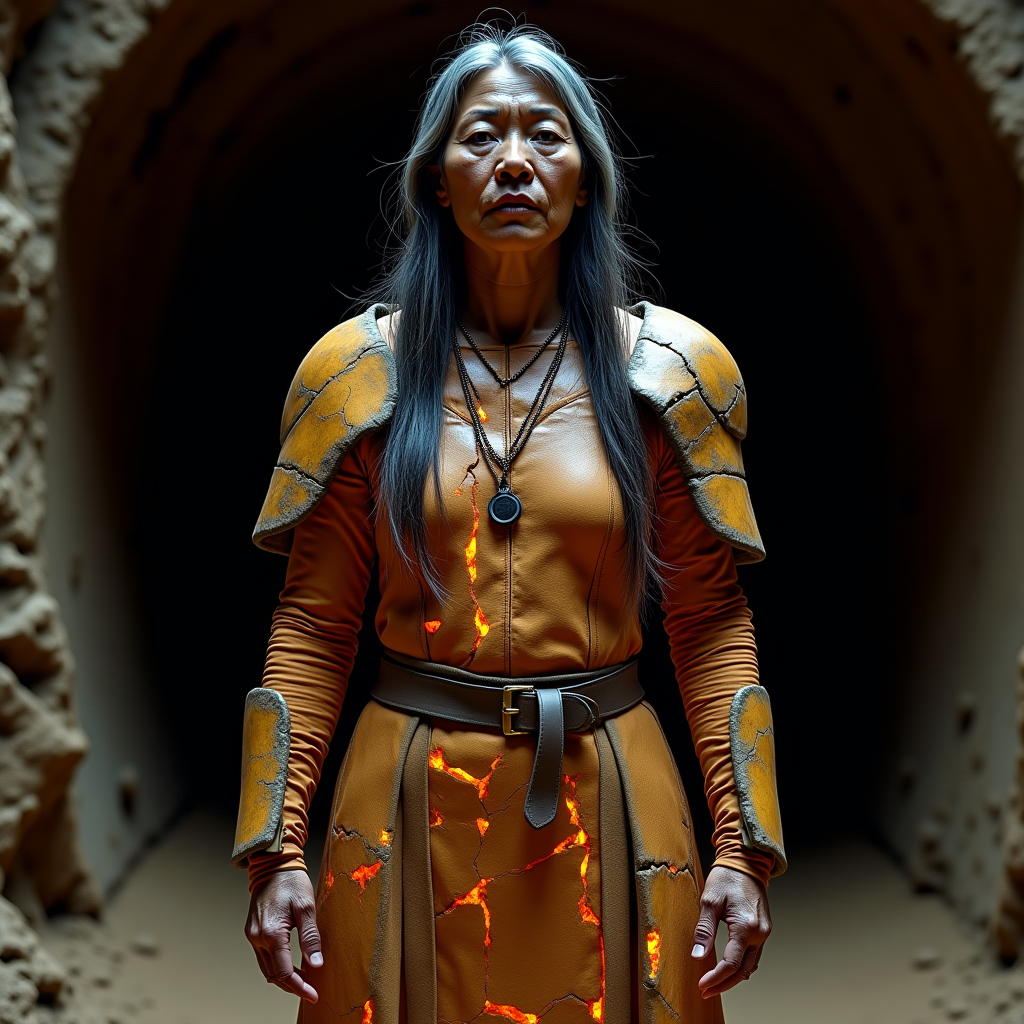
She was standing in the tunnel mouth off Sloan Street when I found her — a woman in her mid-sixties, Indigenous, wearing a long weathered coat the color of dried clay, her face mapped with deep lines and something that looked disturbingly like patience. The tunnel walls around her were breathing. She had her hands pressed flat to the brick and the brick was listening.
Her power: vibration absorption. She pulled kinetic energy from foundations, drew structural integrity out of century-old walls like pulling thread from a sweater.
“This whole grid,” she said, “was built on land that was never ceded. I’m just reminding it.”
I didn’t have a good answer for that. I still don’t.
But the main was about to blow.
I sent out a pulse — a hard one, full sonic map, bounced it off every junction from Montrose to the university. It hit her absorption field and she staggered. She’d never felt sound used as structure before. I hit her again — targeted the resonant frequency of the tunnel walls, locked them stable, froze the vibration she was trying to pull. Her hands slipped. The brick held.
She looked at me with something that wasn’t anger. It was closer to respect.
“You can hear it,” she said.
“All of it,” I said.
She walked away. I let her. I still don’t know if that was the right call.
Part Four: Aftermath
The Seton Hall water main held. The sinkholes stopped — for now. I filed an anonymous tip with the village public works office about seven critical stress points in the drainage grid. They’ll fix the pipes. They won’t know why they’re vulnerable.
Ashveil is still out there.
And honestly? The question she left in that tunnel — built on whose land — it’s louder than any pipe I’ve ever mapped. I can hear everything under South Orange. Everything except the answer to that.