Part One: The Cold Open
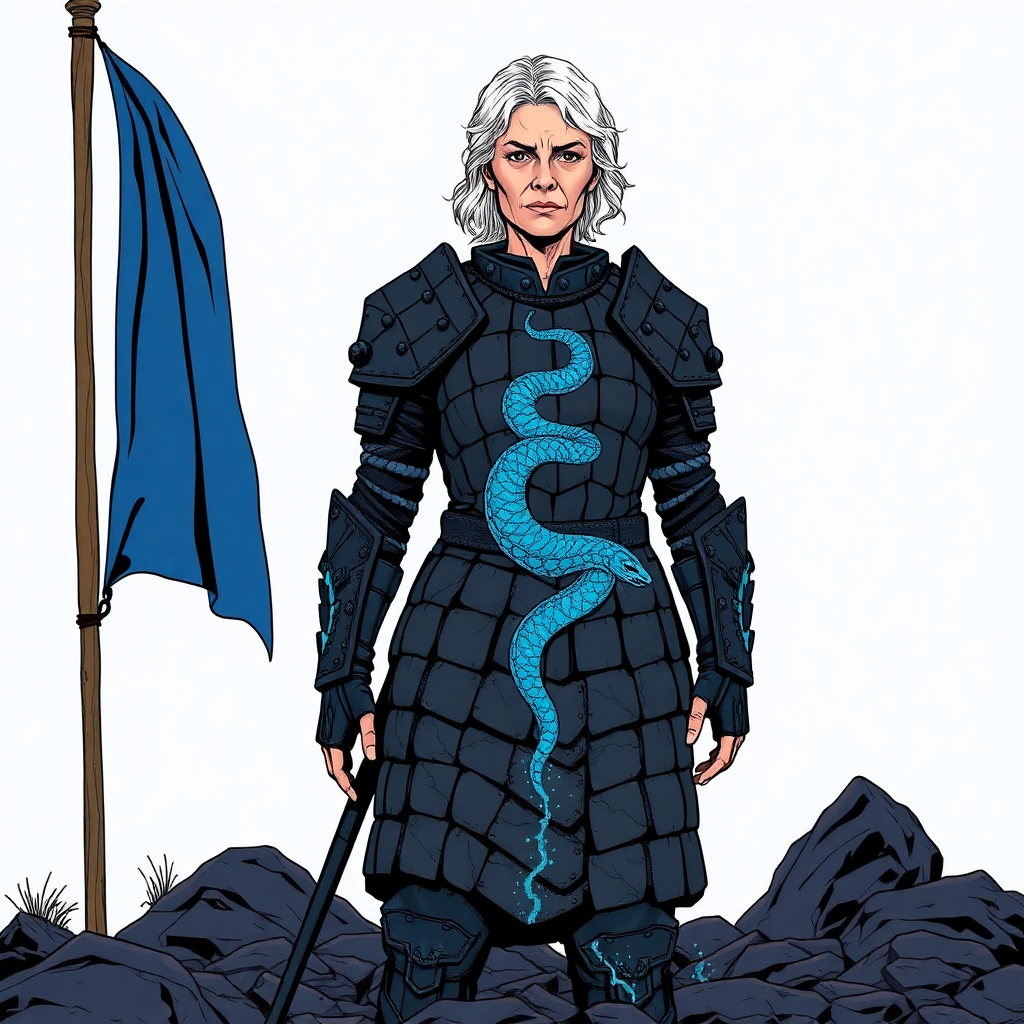
Margaret Havenfall had three things on her schedule for April 23rd: drop off a casserole at her neighbor’s, attend the Historic Preservation Commission meeting at 7:30, and under no circumstances get involved in whatever was happening to Branch Brook Park’s cherry blossom overflow crowd that kept flooding down into South Orange on spring weekends. She managed two of those things.
The Rahway River was running backward.
Not metaphorically. Not optically. The water along the Seton Hall stretch was physically reversing course — a slow, churning upstream crawl that smelled faintly of copper and pushed a family of ducks past the South Orange Avenue bridge going the wrong direction entirely. Margaret stared. The ducks stared back. Nobody seemed pleased.
Part Two: The Investigation
She followed the riverbank east, past the old carriage house on Montrose Avenue, asking anyone who would stop whether they’d seen anything odd. The groundskeeper at Seton Hall said the campus storm drains had been “acting strange for a week — gurgling at midnight, nothing coming out.” A jogger near Mountain Station reported that her water bottle had gone suddenly warm and brackish. Margaret filed both facts away and kept moving.
At the South Orange Public Library, old Dermot Quincy — volunteer archivist and the only person who knew where the pre-1900 flood maps were filed — pulled a brittle sheaf of paper and jabbed a finger at a hand-drawn confluence near what was now the Village Hall block. “Rahway used to split here,” he said. “Squire clan dammed the western fork in 1802. Diverted it deliberately. Killed the Rahway Clan’s mills downstream.” He looked up. “Someone’s trying to reverse that diversion.”
Margaret didn’t tell him that her hands had been vibrating since she left the river. She also didn’t mention that the casserole had, at some point, filled halfway with river water. She left the library at speed.
Near the historic Mountain Station train platform, she found the copper smell strongest — and a set of boot prints in the riverbank mud that led nowhere, because whoever had made them had simply stepped into the water and not come back out.
Part Three: The Pivot
The reverse flow wasn’t flooding. It was deliberate drainage — pulling water away from Seton Hall’s lower quad, where a spring maintenance crew had broken a sewer main three days ago. Neutralized, the crew had said. Sealed.
Margaret thought about the copper smell. About water going warm and brackish. About a dark-armored figure who could detect what was wrong with the water and purge it — but who could also choose exactly which pathogens he neutralized, and which he left behind.
“Darkreine,” she said aloud.
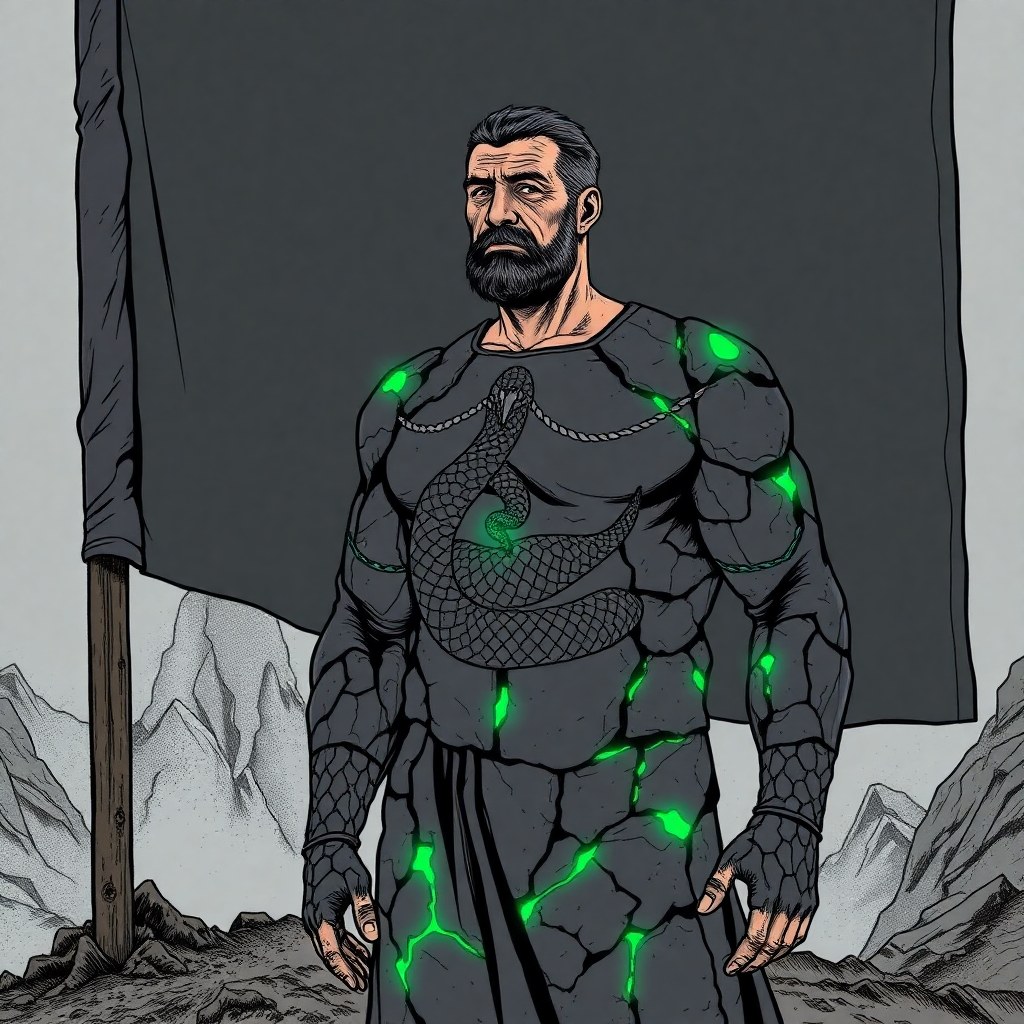
Of course. Hossam Darkreine, of the Squier Clan. Heir to the family that had poisoned the Rahway Clan’s wells in 1847 and called it sanitation. The old grudge hadn’t changed its clothes much.
Part Four: The Reckoning
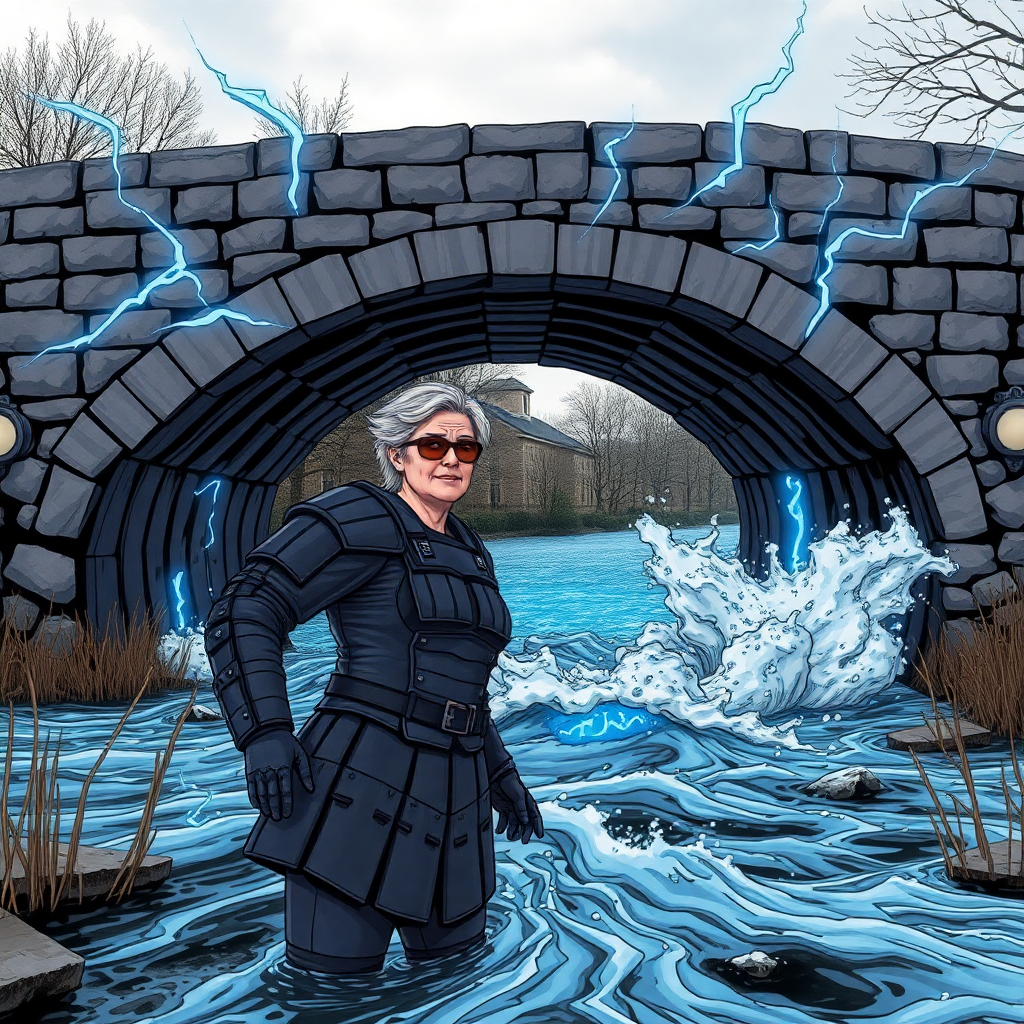
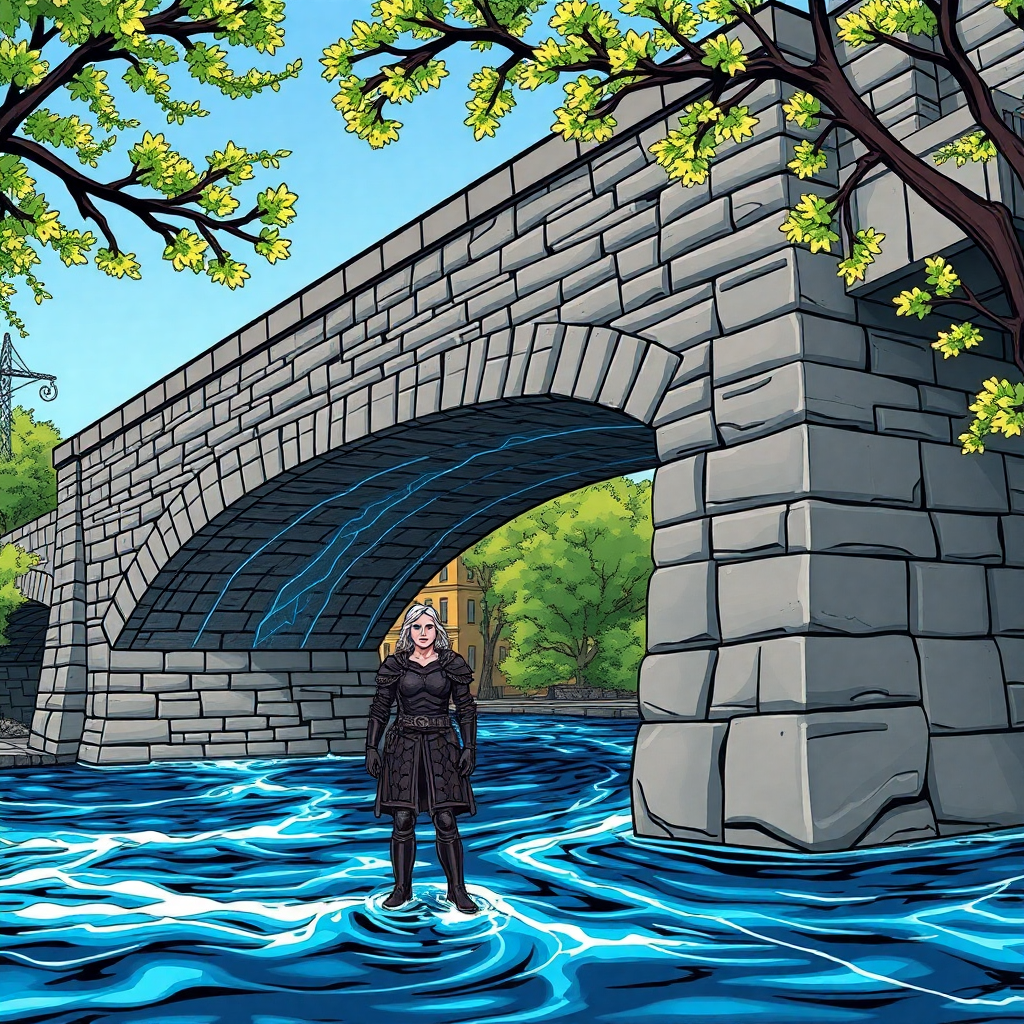
She found him standing in the river at the South Orange Avenue bridge, knee-deep, armored in blackened plate that reeked of chlorine and old iron. He was methodically redirecting pathogen traces — not to heal the break, Margaret realized, but to concentrate them in the water supply feeding the Rahway Clan’s old residential quarter along Scotland Road.
“Mr. Darkreine,” Margaret said, from the bank.
He turned. His visor was up, which she hadn’t expected. He looked genuinely startled to see a woman in her late fifties standing in garden clogs with her hands glowing river-blue.
“Mrs. Havenfall,” he said, with the particular dignity of a man who had been caught doing something embarrassing and intended to brazen through it. “This is a sanitation matter.”
“It’s a sabotage matter,” she said, and let the Rahway River do what it had wanted to do for twenty minutes.
The current hit him like a freight train made of spring melt. Margaret didn’t push the water hard — she simply redirected it, the same way her ancestor had rerouted the western fork in the other direction back in 1802 when the Squiers first tried this. The river peeled around him, stripped the concentrated pathogen bloom downstream into the treatment intake, and then surged back upstream in a clean arc that left Darkreine sitting in four inches of perfectly clear water on a gravel bar, his blackened armor ticking with cold.
He rose with immense, damp dignity. “This isn’t finished,” he said.
“It never is,” Margaret agreed. “Come to the Village Council session Monday. You can file a motion.”
He waded to shore and walked away without looking back.
Part Five: The Resolution
The Seton Hall drainage main was patched by Thursday. The Rahway ran the right direction. The ducks returned, heading south as intended, and the Historic Preservation Commission voted four to two to landmark the Eugene V. Kelly Carriage House, which had nothing to do with any of this but felt like a victory anyway.
Margaret rinsed out the casserole dish and put it back in the cabinet. The Squier Clan had lost the western fork in 1802, lost the wells in 1902, and lost the river today. They were, as a clan, extremely bad at water. She didn’t expect that to stop them from trying again. It never had.
Sources
- Meet the City’s Most In-Demand Mohel
- Investigating the analytical robustness of the social and behavioural sciences
- Athlete of the Week – Nutley’s DeJianne has Raiders in first place
- Belleville boys volleyball starts 6-0, earns state ranking
- In bloom: NY and NJ cherry blossoms are objectively the best in the nation
- Nutley’s DiPiano is named NJWCA State Coach of the Year
- South Orange, New Jersey — Wikipedia
- South Orange Official Events Calendar
- U.S. Census Bureau, American Community Survey 5-Year Estimates (2022)