Part One: The Cold Open
The cherry blossoms along the West Branch of the Rahway River were doing something they absolutely should not have been doing in April: wilting from the inside out, as if the trees had been slowly baked from their heartwood. The water ran warm to the touch. Sophie Wrenfield noticed it on her way to watch the visiting volleyball squad from Belleville run drills on the Millburn Avenue athletic fields — and then she noticed something worse.
The players were dragging. A team riding a six-game winning streak, sharp as a blade through the whole spring, were moving like they’d trained all night in a sauna. Sophie pressed her palm to the chain-link fence, and her bioelectric sense lit up like a fire alarm.
Every single cortisol spike pointed the same direction: upriver.
Part Two: The Investigation
Sophie followed the Rahway upstream, reading the town as she went. The bioelectric field of Short Hills was easy to parse — old money humming at a steady, complacent frequency, new arrivals buzzing with the anxious static of people who’d bought more house than they’d expected to carry. She knew the difference by feel.
But something else was running through the substrate. A deep, dry heat — industrial, deliberate, aimed.
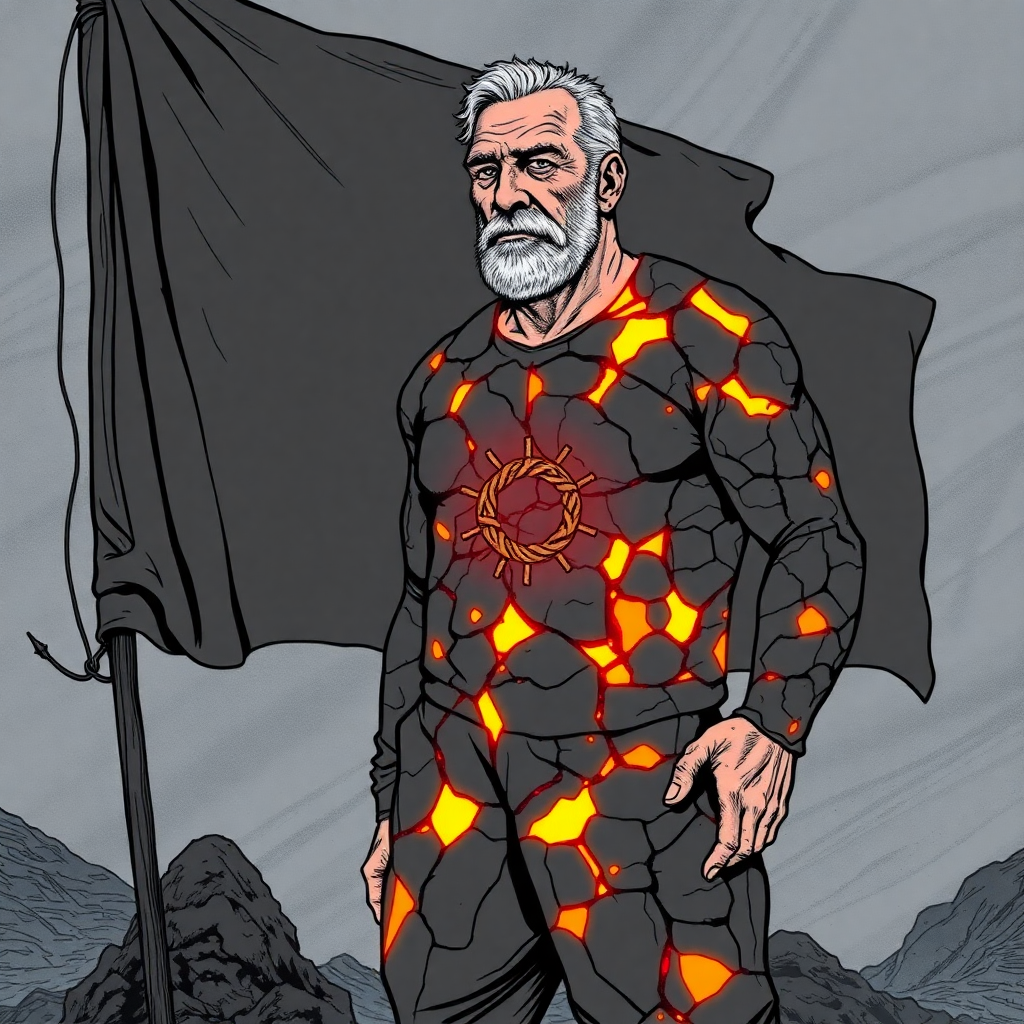
She cut through South Mountain Reservation, ducked under the old millrace culvert near the Paper Mill Playhouse, and nearly walked face-first into Alderman Harlan Grimshaw — or as he was known in certain circles older than Millburn’s incorporation papers, the Grimshaw of the Smokecroft Clan. He was trimming nothing. There were no hedges. He was simply standing beside a rusted heat exchanger bolted to the river wall, one hand resting on it, and the warm metal pulsed like a second heartbeat.
Sophie touched a nearby ash tree to steady herself. The tree’s bioelectric field screamed.
She backed into the Millburn Station parking lot to think, and nearly knocked over Delia Oost, eighty-three years old and absolute granite, who had been standing there watching Grimshaw for twenty minutes. “That man’s been down here every morning since the Playhouse renovation started,” Delia said, producing a folded flyer from her coat pocket. She’d already written down his schedule. Sophie had known Delia since kindergarten and had learned never to question her filing system.
Part Three: The Pivot
The Playhouse renovation. Of course.
The Smokecroft Clan had lost the riverfront contracts in 1902, when the Wrenfield milling families leveraged the West Branch rights to float lumber downriver and froze the Smokecrofts out of every heat-dependent industry for two generations. Old Grimshaw wasn’t warming the river out of spite — he was warming it on purpose, driving up the ambient temperature of the whole corridor until the Playhouse’s new HVAC system failed calibration and the renovation stalled. One delay would void the township easement. The easement was what kept the Smokecroft land claim dead.
He wasn’t sabotaging a theater. He was reopening a land deed.
“Oh,” Sophie said. “Of course it’s him.”
Part Four: The Reckoning
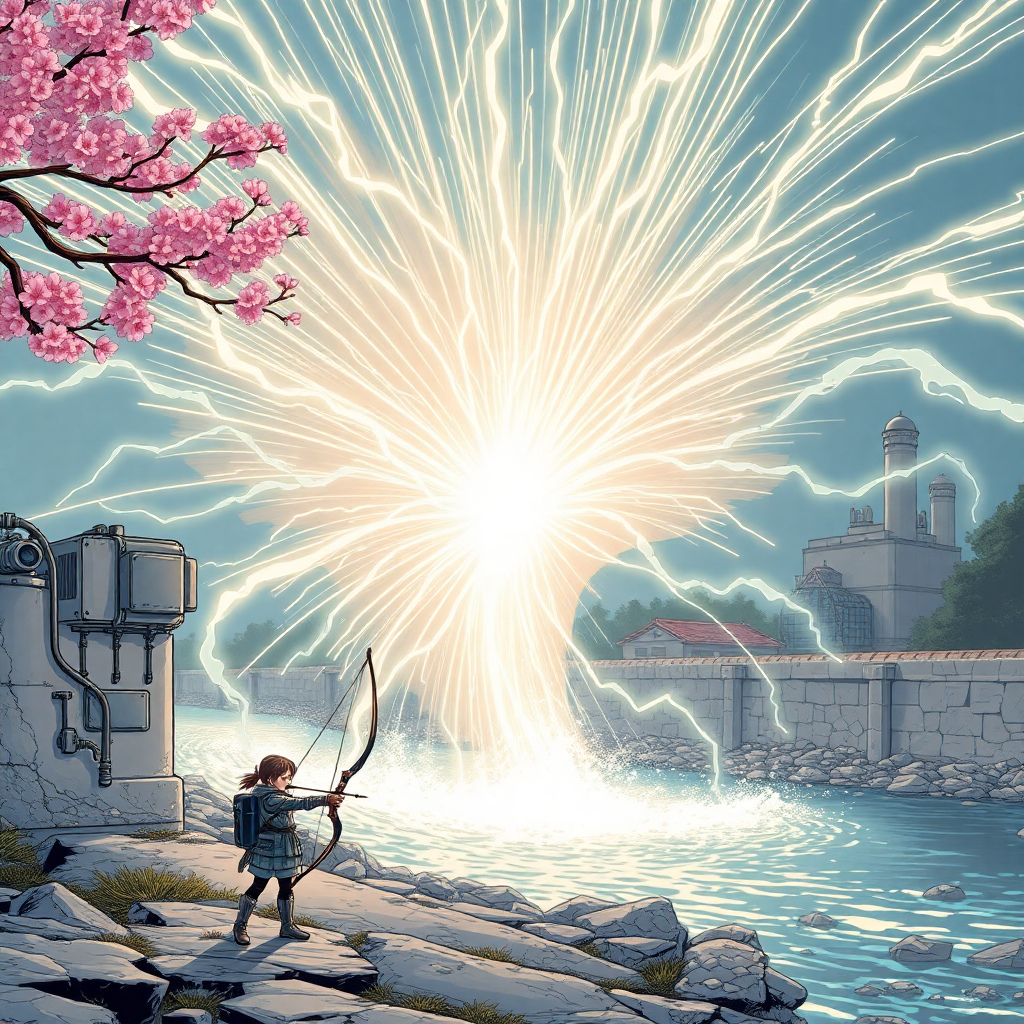
She went back at dusk, when the river light went copper and the heat exchanger units hummed like something alive. Grimshaw was there, both palms flat on the largest unit, his face creased in concentration, exhaust heat visibly bending the air around him in rippling thermal columns — the kind of heat that cracked stone and killed root systems and very slowly, very quietly, cooked a riverbank into submission.
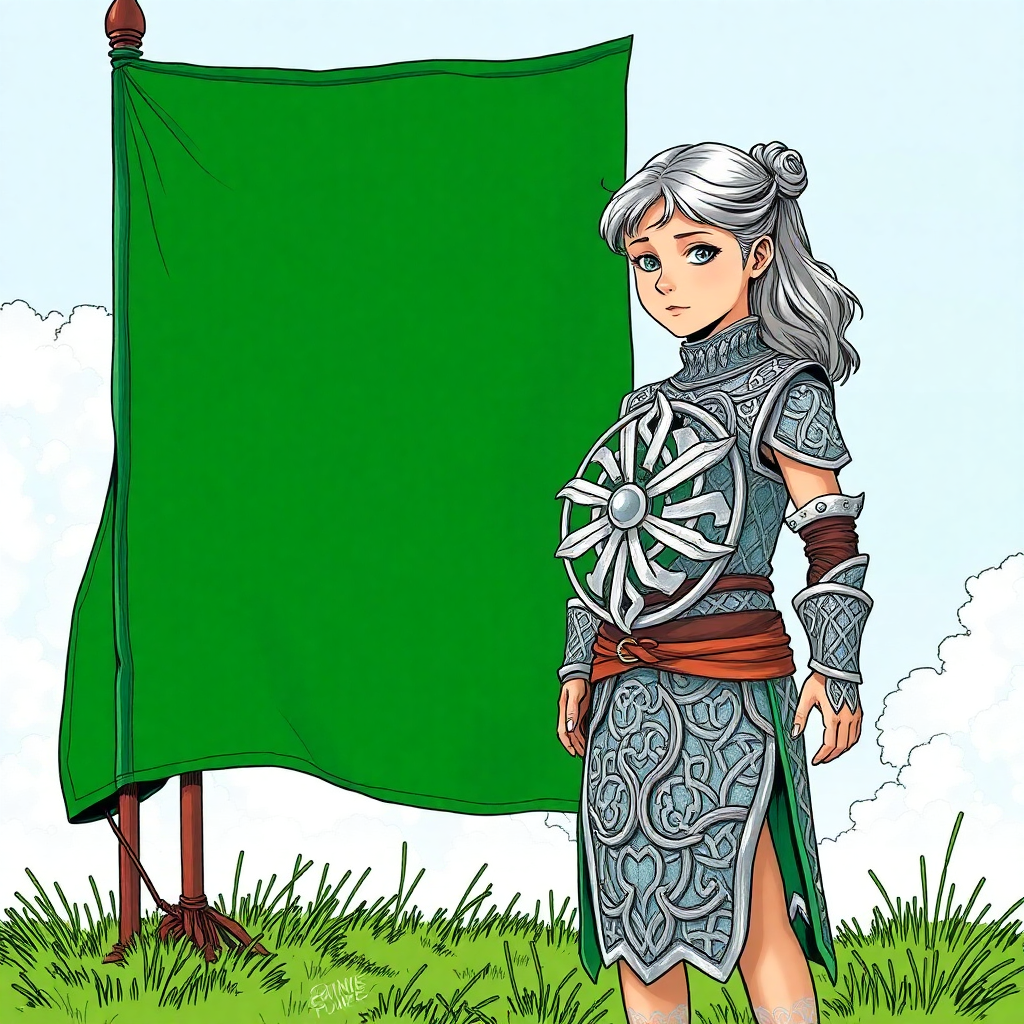
Sophie nocked nothing. The Wrenfield bow manifested along her forearm like a current finding ground — pale white, faintly luminous, strung with what looked like nerve fiber.
She read him. Every bioelectric signature in his body, mapped in two seconds: the vasodilation in his hands, the elevated core temp, the neural loop he was riding to sustain the heat capture. She found the frequency and released.
The arrow wasn’t physical. It hit the heat exchanger’s electrical panel and the whole unit read her counter-signal as a catastrophic short — every thermal loop Grimshaw had built in the river corridor discharged at once, upward, harmlessly, into the April sky above Millburn Station like an enormous invisible exhalation.
Grimshaw staggered. The river cooled. He looked at her with the expression of a man who had been inconvenienced across multiple centuries and intended to file a complaint.
“The easement holds,” Sophie said.
He smoothed his jacket. “For now,” he said, and walked toward the station platform with the unhurried dignity of someone who has a return train to catch and a very long memory.
Part Five: The Resolution
By morning the Rahway was running cold and clear, the cherry blossoms along its banks had recovered enough to be mildly embarrassing about the whole episode, and the Belleville volleyball squad posted their seventh win without incident. The Paper Mill Playhouse renovation resumed on schedule.
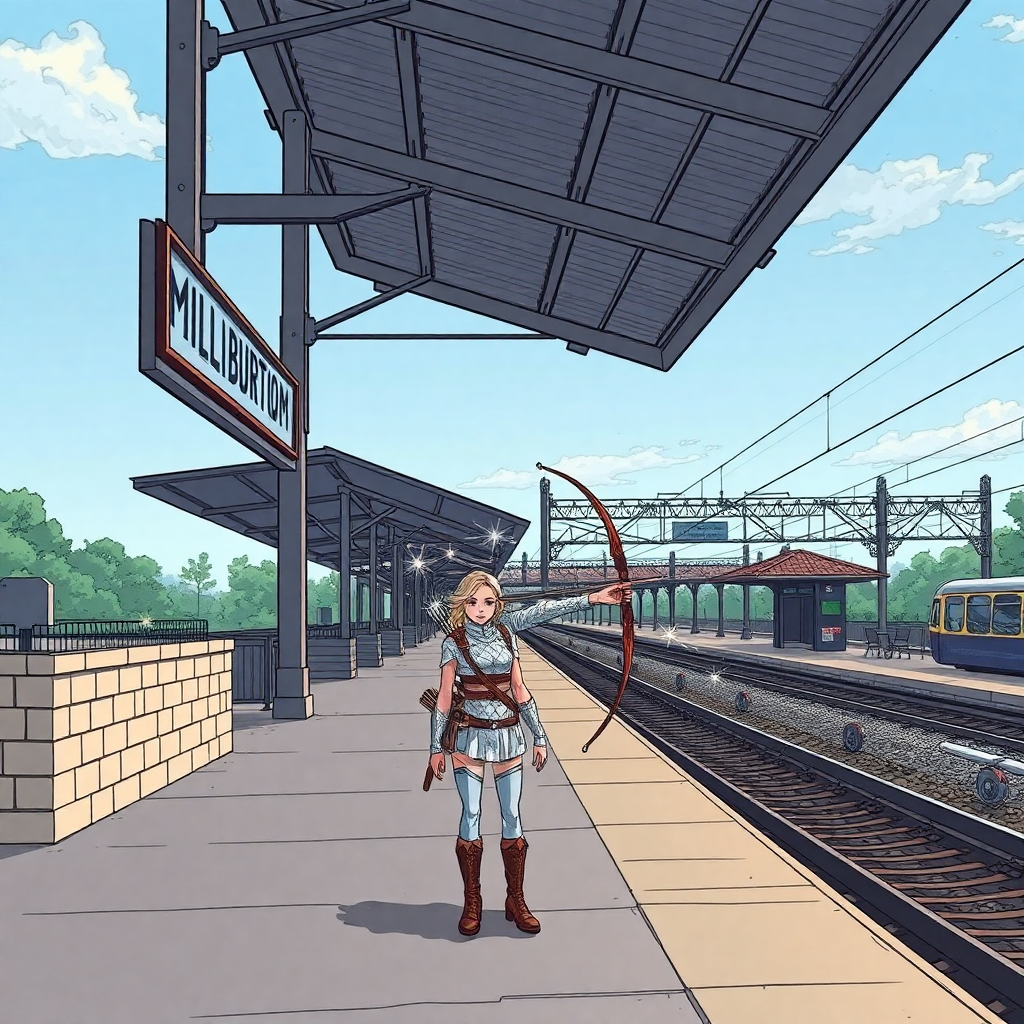
Sophie sat on the platform bench at Millburn Station, reading the bioelectric hum of commuters and ash trees and one very irritated river, and wondered how a ten-year-old was supposed to do homework on top of all this.
The deed was still out there. Grimshaw was still out there.
The river, at least, was on her side — it always remembered which clan had kept its banks.
Sources
- Belleville boys volleyball starts 6-0, earns state ranking
- Athletics Top 36 Prospects
- Athlete of the Week – Nutley’s DeJianne has Raiders in first place
- In bloom: NY and NJ cherry blossoms are objectively the best in the nation
- Nutley’s DiPiano is named NJWCA State Coach of the Year
- Millburn, New Jersey — Wikipedia
- U.S. Census Bureau, American Community Survey 5-Year Estimates (2022)