Part One: The Cold Open
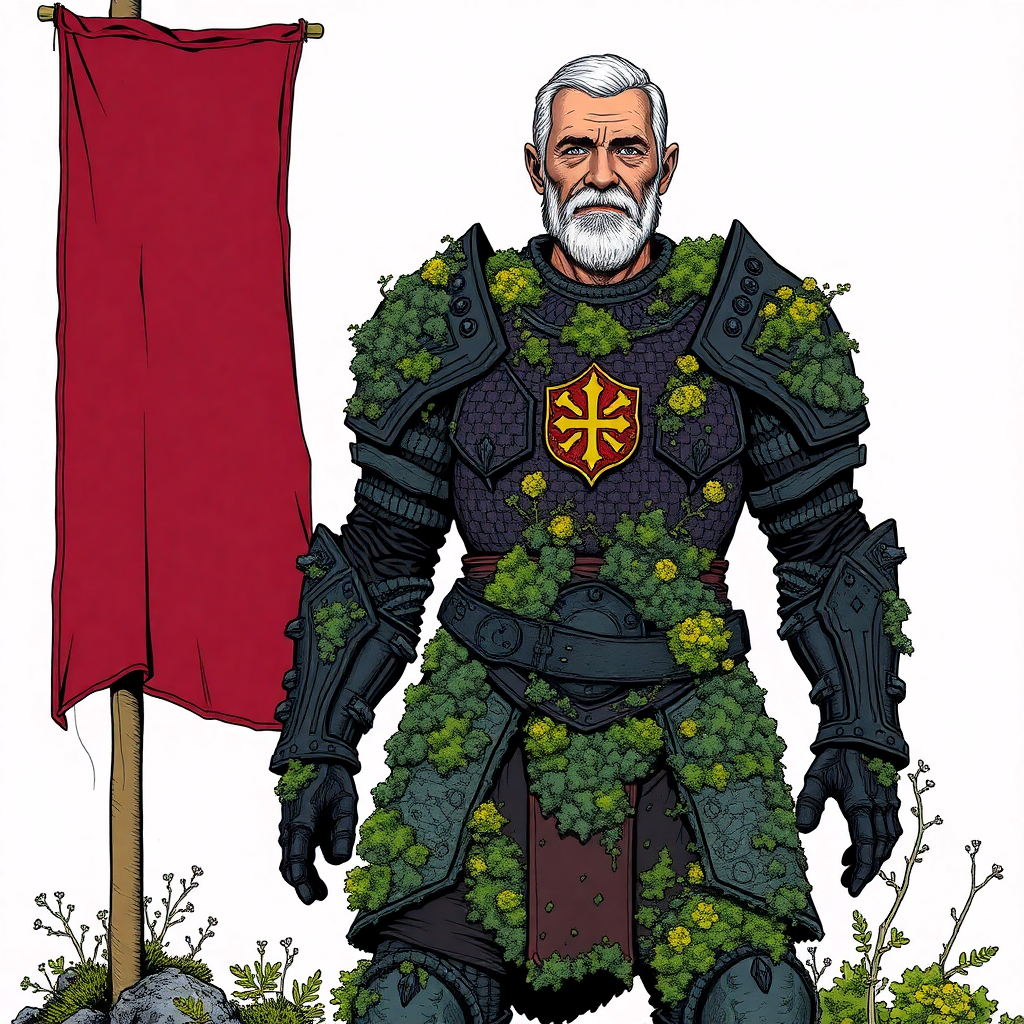
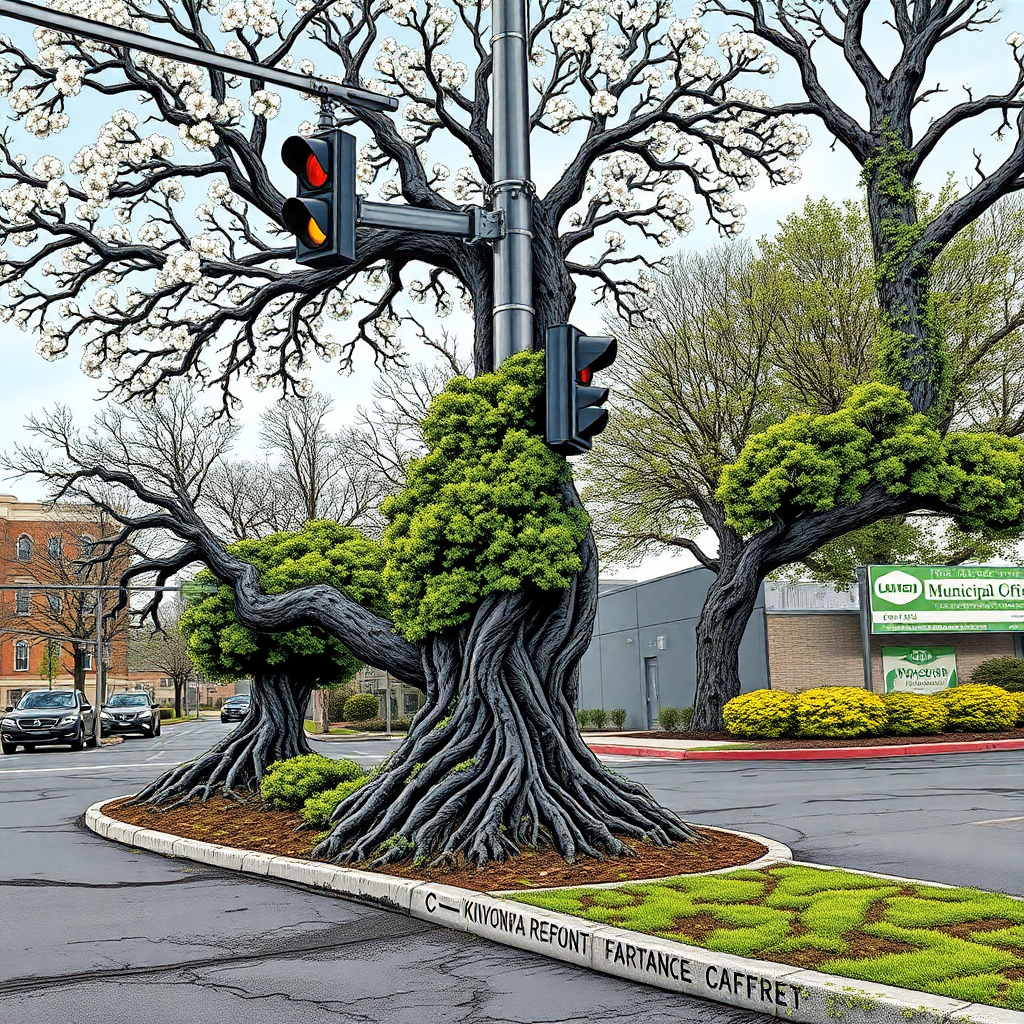
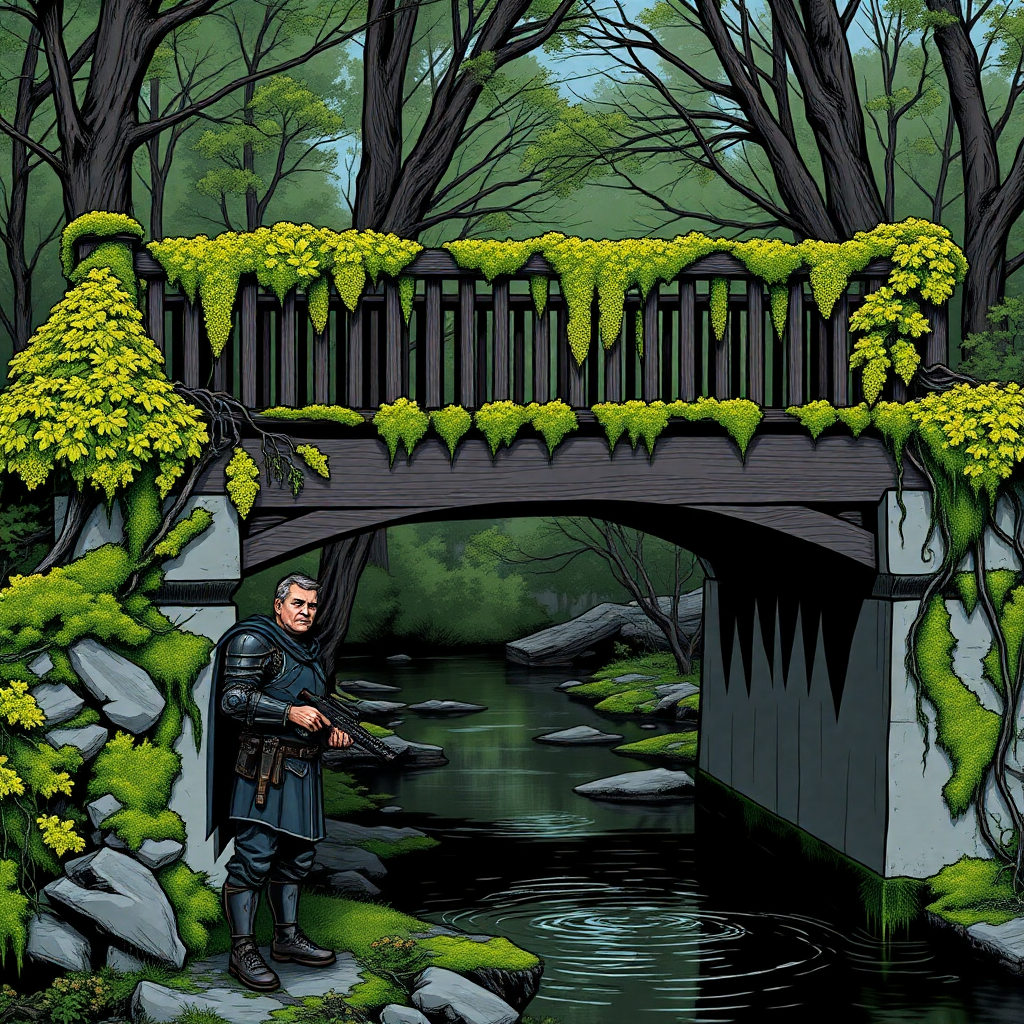
Ezra Murkvale had not planned to start a war on a Tuesday. He had plans — dry cleaner, phone call with his accountant, the slow satisfaction of a man who has waited thirty years for the right moment. But the Bradford pears along Livingston Avenue had been speaking to him since dawn, their roots humming against his boot soles through two inches of Italian leather, and when the moment comes, it comes. He pressed both palms to the soil behind the Canoe Brook footbridge and breathed out. The roots moved. All of them. At once. By the time the first commuter laid on a horn, the traffic signal at Livingston and South Livingston was already lost to white blossoms, and Ezra Murkvale was already walking away, dusting his hands on a pocket square that cost more than most people’s car payments.
Part Two: The Investigation
The beauty of the Briarhold Clan’s power — his power — was that it was patient. Ezra hadn’t rushed. He’d spent six weeks tracing the original watershed survey lines beneath Livingston’s streets, riding the root network the way a man reads a map, feeling where the land remembered being open and where it had been strangled by culvert and curb. The crape myrtle through the dental office window was not an accident. That block had paved over a tributary in 1987. He was simply returning the favor.
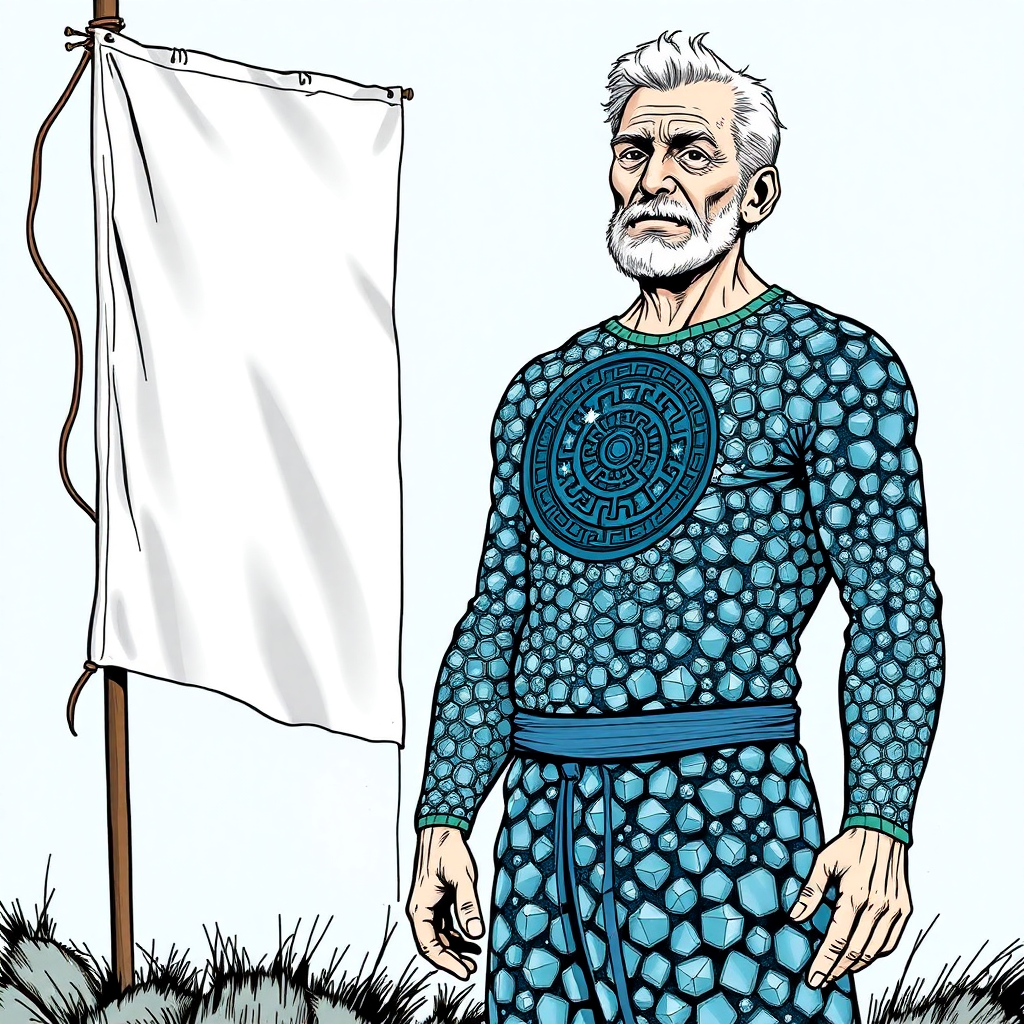
He did not expect Vera Podesta to move so fast. He’d underestimated her — a mistake he would not repeat — and by midday her message had clearly reached Gordon Albrecht, because Ezra felt the wind change at the Canoe Brook footbridge in a way that had nothing to do with April. Stormbrook. Of course. The Albrecht line, still meddling after two hundred years, still pretending the watershed was a civic inconvenience rather than a stolen inheritance. Ezra redirected a wall of root toward the municipal parking lot and smiled thinly. Let him come.
Part Three: The Pivot
The Briarhold Clan had held the Canoe Brook watershed since before Essex County had a name. Livingston’s founders — Albrecht among them — had not purchased the land so much as imposed a coordinate grid on top of an existing agreement and declared the agreement void. Every drainage culvert was a clause in a contract nobody had signed. Ezra had spent thirty years in commercial real estate watching the same trick performed on smaller stages, and he was done watching. The reclamation wasn’t vandalism. It was standing on your own ground. When he heard Gordon Albrecht’s footsteps on the crushed gravel at the basin’s edge, Ezra did not turn. He already knew what was coming. He simply pressed his hands deeper.
Part Four: The Reckoning
Ezra’s roots were spectacular and he knew it — dark tendrils fanning from his knuckles in a twelve-foot star, each tip finding purchase in the brook’s clay substrate with the quiet authority of something that had every right to be there. He told Albrecht as much. Albrecht, to his credit, did not argue the history. Then he opened his palms, which Ezra found dramatically annoying.
The wind came down the corridor of Livingston Avenue’s commercial blocks like something directed by someone who knew exactly what they were doing — which, apparently, Albrecht now did. It hit the basin laterally, cold and channeled, and the root-tendrils peeled from the topsoil in ribbons. Ezra felt it — each severed connection a small insult, the vine wall at the parking lot collapsing in sections, ornamental boxwood clattering across asphalt like discarded furniture. One hand came free. He lost the northern reach entirely.
He looked at what remained and experienced the specific, dignified fury of a man who has been correct about everything and is still, somehow, losing on a technicality. “This is not finished,” he said, and he meant it precisely.
Part Five: The Resolution
The signal on Livingston Avenue came back online at 6:47 PM. The roots retracted — slowly, unhurried, with the poise of a retreat that is not a surrender. Ezra Murkvale drove home past the Canoe Brook footbridge and did not look at it. He would not be rushed. The watershed survey was still in his desk drawer, the original 1811 lines traced in his own hand over a county map, and the land under Livingston’s streets had not forgotten a single inch of what it was owed. Gordon Albrecht could redirect the wind all spring. The roots would still be there in November, and November, Ezra had always found, was an excellent time to renegotiate.
Sources
- Athlete of the Week – Nutley’s DeJianne has Raiders in first place
- Belleville boys volleyball starts 6-0, earns state ranking
- Softball ballot, vote now for Central Jersey Player of the Week
- MTA sits on sidelines as Trump and NJ Transit rebuild Penn Station
- Investigating the replicability of the social and behavioural sciences
- Mercedes-Benz of Caldwell Highlights All-Electric Luxury Vehicle Lineup as Northern New Jersey Drivers Accelerate EV Adoption
- Vote now for Central Jersey Girls Wrestler of the Year
- Belleville baseball looks to build off last year’s strong finish
- Ultrasound-triggered doxorubicin targeted delivery for liver cancer treatment: Reduced toxicity and improved efficacy
- In bloom: NY and NJ cherry blossoms are objectively the best in the nation
- Livingston, New Jersey — Wikipedia
- U.S. Census Bureau, American Community Survey 5-Year Estimates (2022)