
Reeve Blacktide
Part One: Something’s Wrong
I used to be good at waiting.
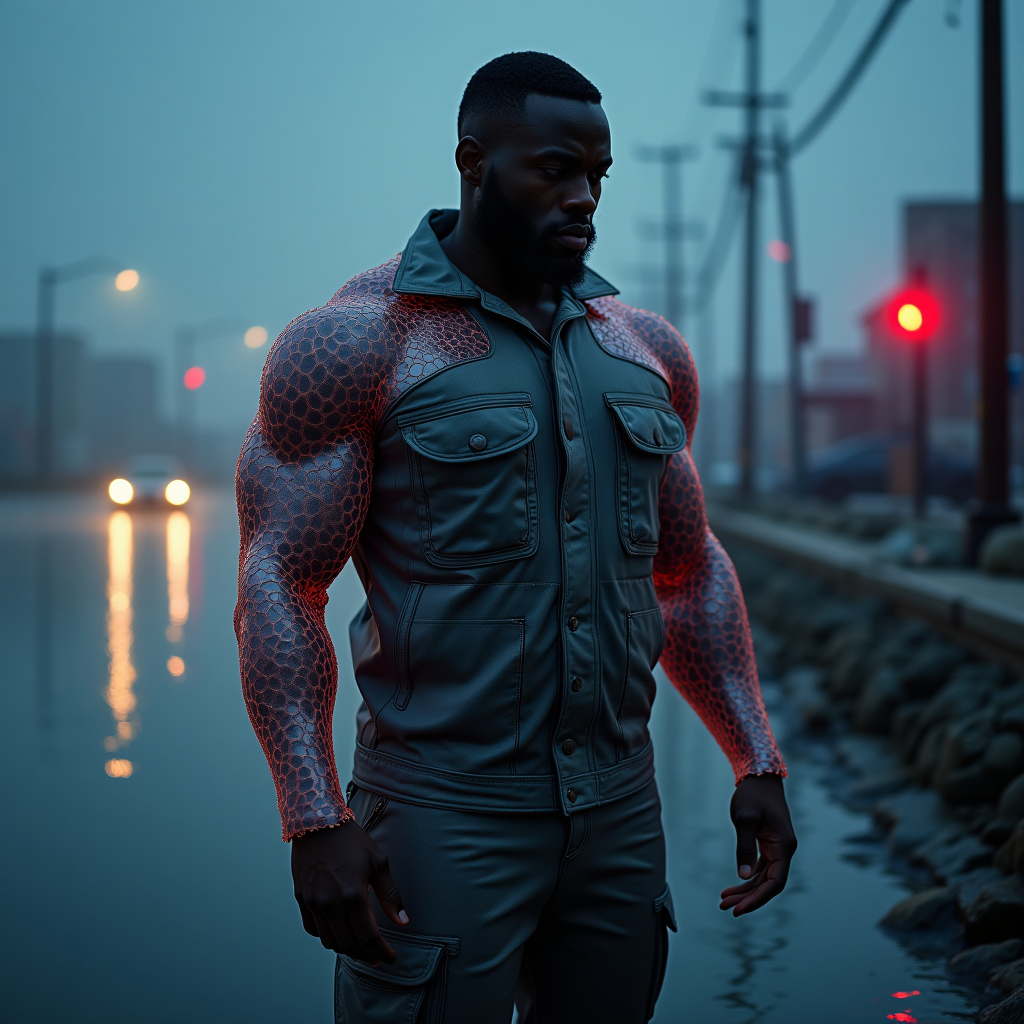
My name is Marcus Vidal. I’m twenty-eight, I run traffic operations for Cape May’s seasonal road crew, and for six summers I’ve watched the same disaster happen in slow motion. The Fourth of July weekend. Labor Day. Any Saturday in August when the shore traffic backs up past the bridge approaches on Lafayette and Ocean, all the way to the Delaware Bay inlet crossings, and every car from Philadelphia and Delaware sits baking on asphalt for three hours trying to escape a peninsula with exactly two ways out.
The signals on those intersections are my responsibility. I know every cycle, every gap, every failure point.
And I know nobody up the chain cares. I’ve filed seventeen incident reports. Seventeen.
It started the summer I filed the last one and got a form letter back. That night I went down to the bay shore, south past the athletic park where the sand goes gray, and I stood in the water up to my knees because I was too angry to sleep. And the current started moving with me. Not around me. With me.
I lifted my hand. The water followed it.
I stood there for a long time just moving water around in the dark and thinking about all those families stranded on the bridge approach with nowhere to go and nobody steering anything anywhere.
Then it clicked.
Part Two: Following the Thread
I didn’t dissolve buildings to start. I want that on record.
What I did was small. Rerouting. I reached into the signals on the Lafayette-Ocean convergence on a busy July Friday and I pulled — not with my hands but with something behind my hands, some pressure that moved through the grid like water through a pipe — and I held the coastal thoroughfare green and the bridge approach red for four straight minutes. Traffic cleared. A two-hour backup dissolved in forty minutes.
It felt incredible.
The problem with feeling incredible is you start to wonder what else you can do.
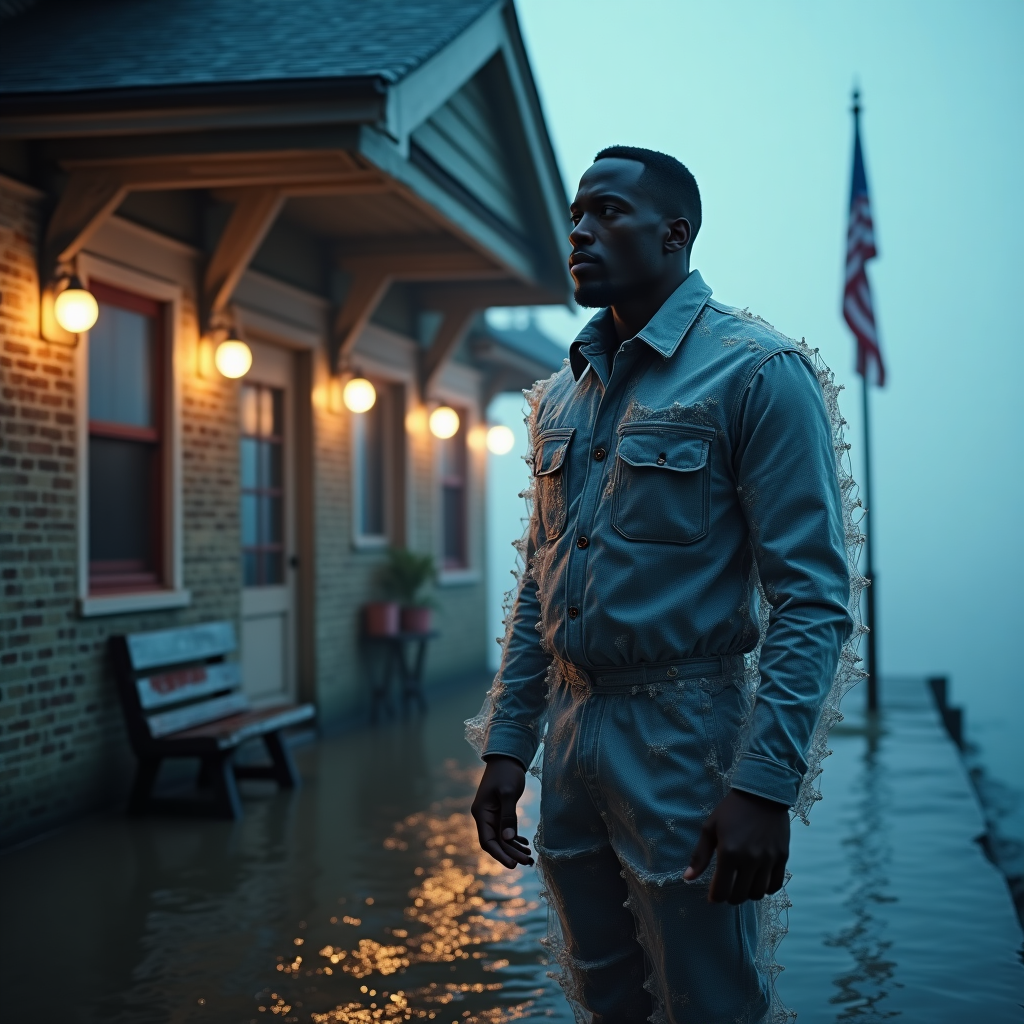
I started feeling the salt in the building foundations. I don’t know how to explain it. The bay is in everything here — in the mortar between Victorian bricks, in the timber framing of the old hotels, in the piling caps under the rail terminal. The water content in all of it called to me, and I realized I could pull it. Slowly. Selectively.
I told myself I was just measuring the damage. Just feeling how close to the edge these old buildings already were.
I told myself that for about three weeks before I started pulling in earnest.
Part Three: The Reveal
The kid caught up with me at the bay shore, which I respect.
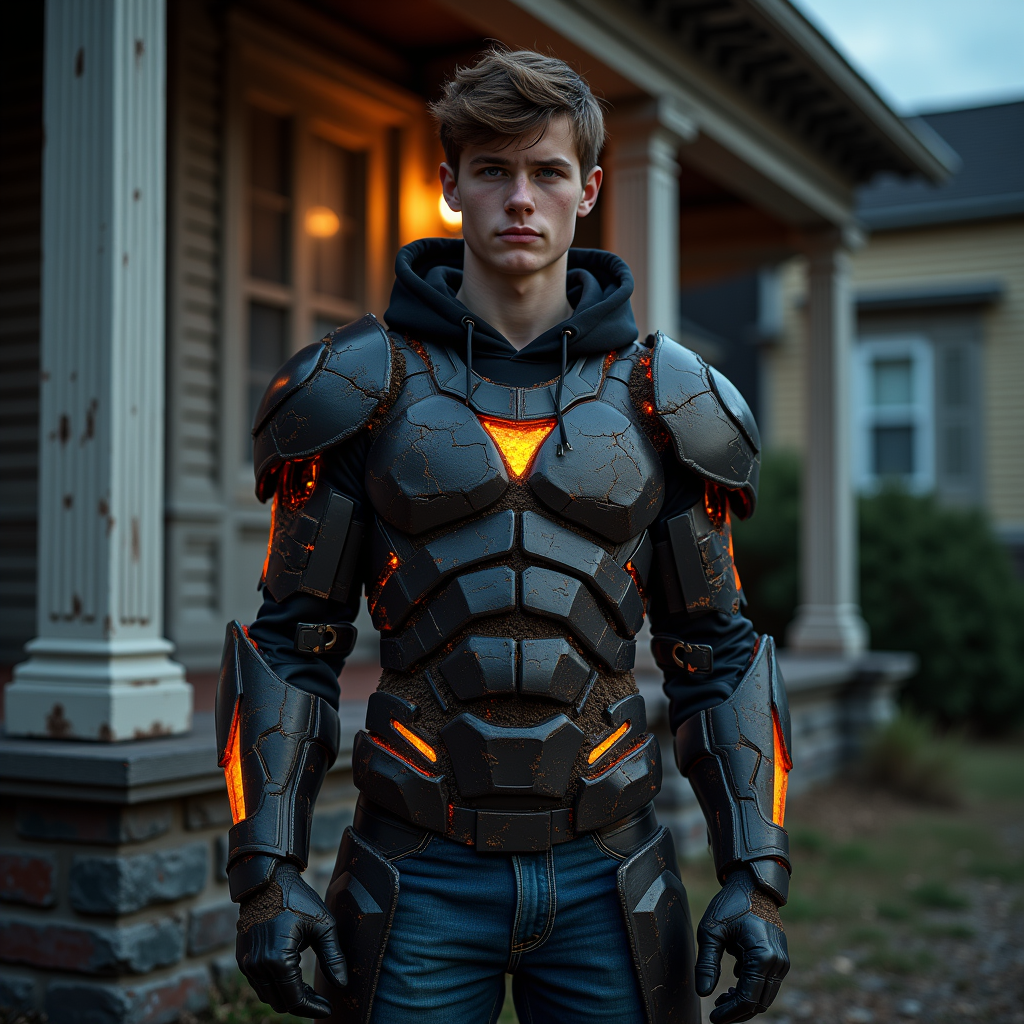
He was sixteen, White, red-cheeked from running, smelled like wood stain. He said his name was Declan. He said I didn’t get to dissolve a hundred and fifty years of history and I gave him the real answer, which is: the history was already dissolving. The bay has been reclaiming this coastline since before the first Victorian porch went up. All I was doing was accelerating what the water already decided.
He didn’t buy it. I didn’t fully believe it either anymore. But I sent the stripped water at the rail terminal anyway.
What came out of his hands stopped me cold. Dense, amber-gray compound bleeding out of his palms in sheets, bonding through the cracks in the foundation stone faster than I could strip the mineral content. I hit it again. He hit his knees but the stone held.
So I went at the signals instead.
I reached into the grid at Lafayette and Ocean and I locked every light on the peninsula red — bridge approaches, coastal route, every arterial — and I felt the backup begin to snarl in real time like a fist closing.
He couldn’t seal a traffic signal. He tried. I almost felt bad.
I released it after sixty seconds. Enough to make the point.
“You want to protect this town,” I said. “Start with the people stuck on the bridge in August.”
Then I went back into the bay.
Part Four: Aftermath
The signals on the Lafayette-Ocean convergence were reprogrammed within the week. I know because I checked. Someone finally listened — or someone finally noticed what happens when they don’t.
I’m not done. But I’m not sure anymore what done looks like.
The bay is still pulling at everything the town built. Declan Marsh is still walking the beach feeling it. I’m still in the water, feeling the grid, waiting for the next summer backup to start.
Cape May has forty thousand visitors in July and two roads out. That math hasn’t changed.
Neither have I.