
Part One: The Cold Open
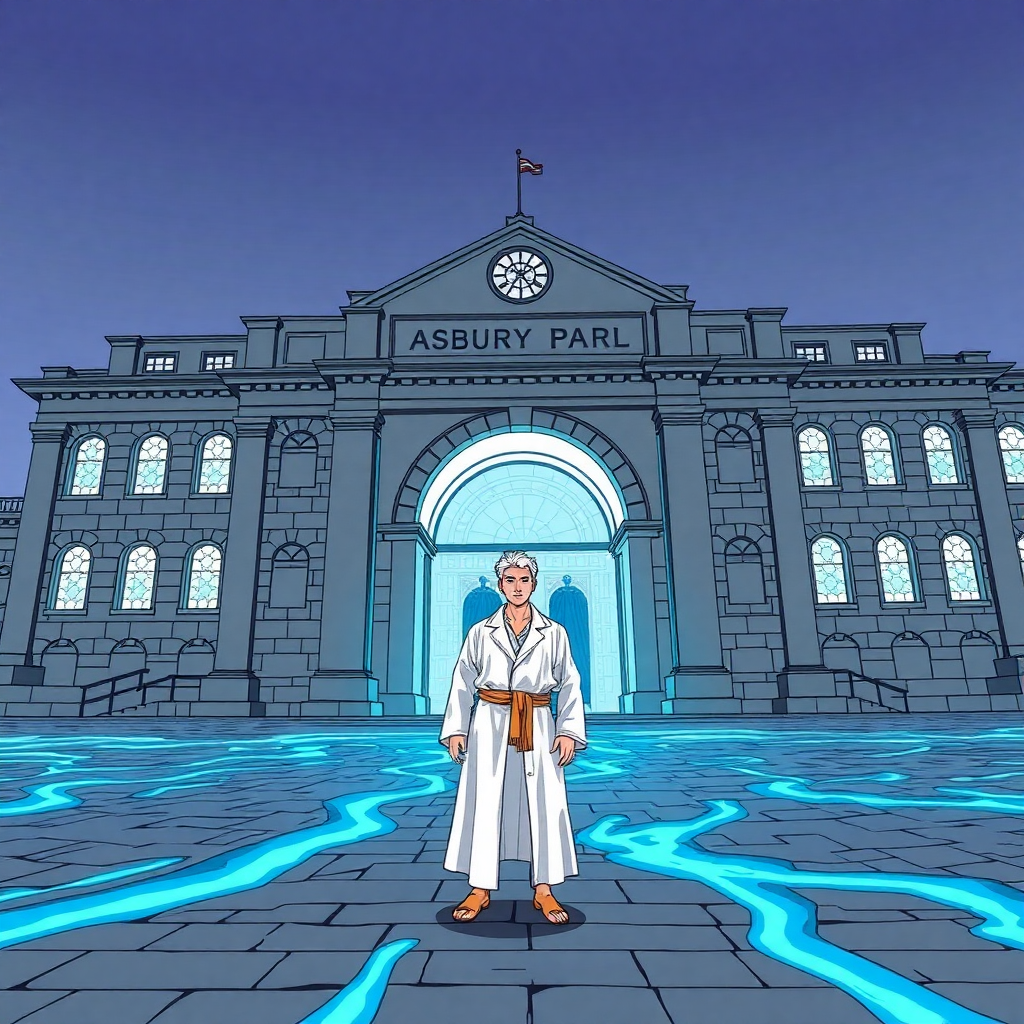
The Asbury Park boardwalk smelled like funnel cake and low tide, which was exactly how Marco Salcedo liked it. He’d come down to Convention Hall to watch his cousin’s band soundcheck — Nonpoint were headlining the venue’s spring lineup, and free tickets were free tickets. Then the ocean started going backwards.
Not metaphorically. The surf physically retreated forty feet past the normal break line, paused like a held breath, and surged back in a single organized wall. Every surfer on the water got deposited neatly on the sand. A seagull landed on Marco’s head. He did not feel this was an accident.
Part Two: The Investigation
Marco found the first clue at the waterline: the sand was warm. Not sun-warm — hot, radiant, like the heat was rising from underneath. He pressed his palm down and felt the pulse of it, rhythmic, industrial. The kind of heat that came from machinery, not sky.
Old Dennison Prall, who ran the bait shop at the end of the pier and claimed to be related to everyone who’d ever worked the old Asbury steam laundry, waved Marco over without being asked. “Third time this week,” Prall said, pointing at the surf line. “Same thing. Heat comes up through the sand, water does something weird, then all the pipes at the Cookman Avenue shops back up.” He handed Marco a battered laminated card — a clan index, hand-printed, the kind Marco’s grandmother kept in a kitchen drawer. “Your bloodline’s in there, son. Has been since the city was a borough.”
Marco had not planned to learn he was a Tidewarden today. He had planned to watch the soundcheck.
He found the thermal signature trail running north along the boardwalk toward the carousel building’s foundation — now a venue basement, and before that, an engine room for the old resort’s steam heat system. The flagstones were radiating. Someone had been drawing heat out of the historic ironwork in the Paramount Theatre’s sub-basement and packing it, storing it, like a battery charging for a release.
Marco tried to call the tides inward to cool the stones. Instead he flooded the concession stand. A churro cart went thirty feet sideways. He was getting better at this. Sort of.
Part Three: The Pivot
The backed-up pipes. The rhythmic heat pulse. The orchestrated surf retreat — not chaos, but redirection, water forced away from one specific inlet mouth.
The Shark River inlet.
If someone drained the heat from every old industrial anchor in Asbury Park — the laundry foundations, the theatre ironwork, the convention hall boilers — and released it in one concentrated burst at the inlet, they’d calcify the estuary sediment. The Tidewarden clan’s root claim, recorded in the 1897 city charter, ran through that inlet’s flow rights. Block the inlet permanently, and the claim dissolved.
Marco said something his grandmother would not have approved of.
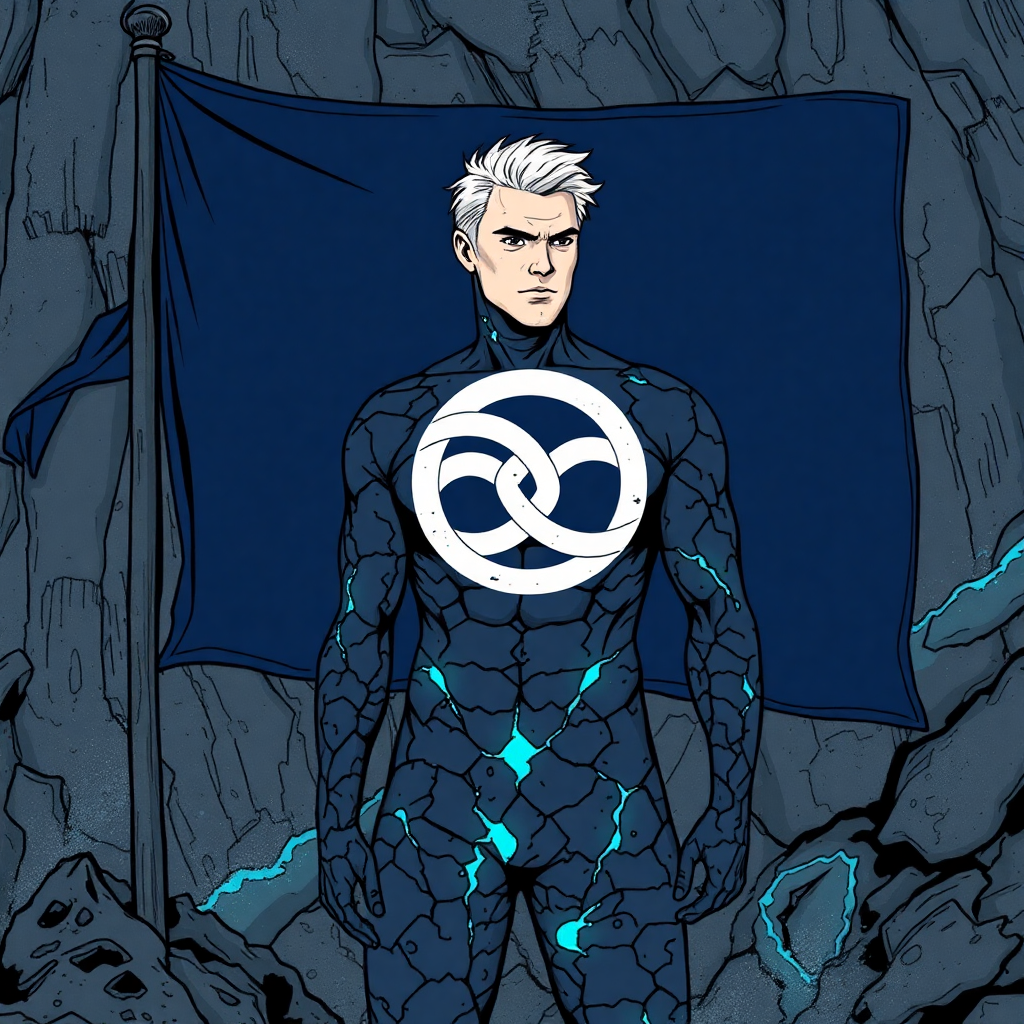
“Of course,” he said. “The Furnace Clan. Of course it’s them.”
Part Four: The Reckoning
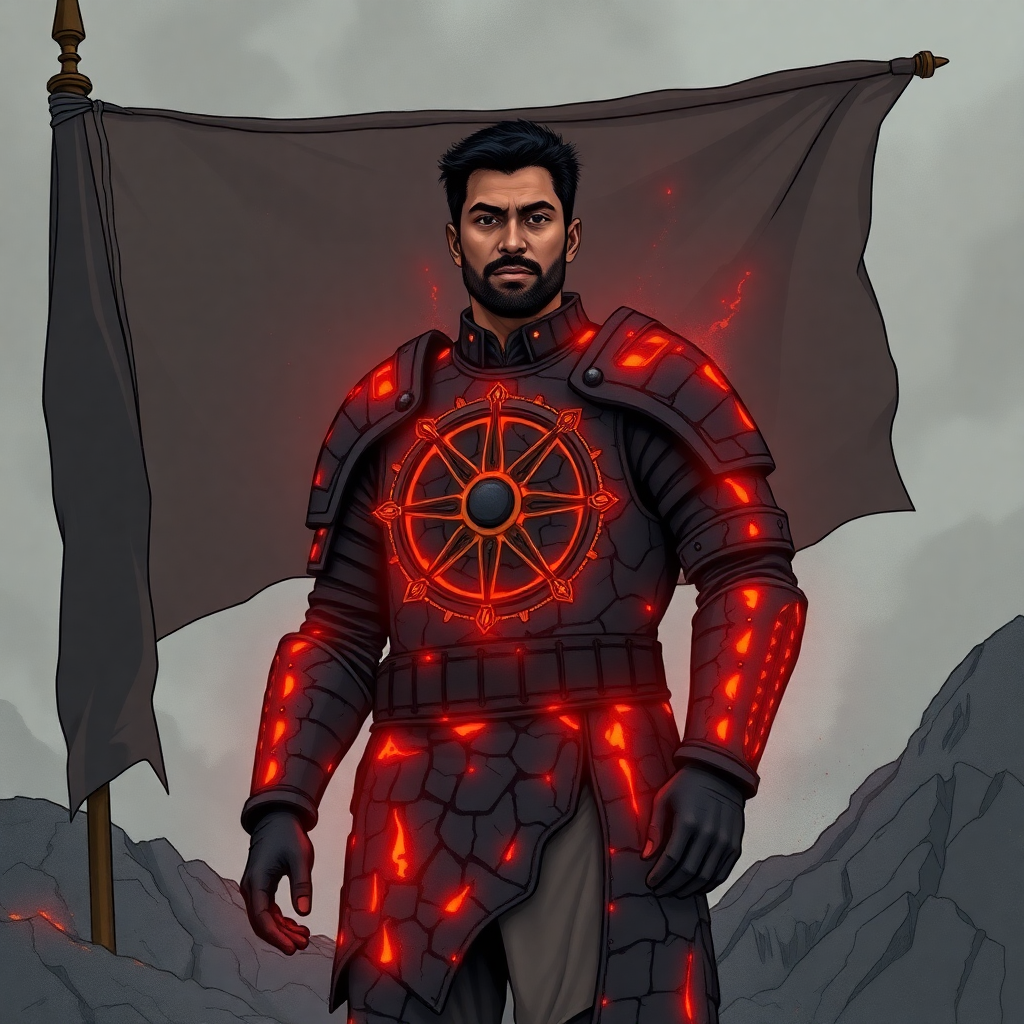
Rohan Embers — known in certain laminated index cards as Clinkerreach — was standing knee-deep in the inlet shallows when Marco found him, both hands submerged, drawing heat upward through the sediment. The air around him shimmered in visible rings. His light leather armor was sheened with a thermal glow along every seam, twin short blades at his hip clicking faintly as the heat differential made the metal expand.
“You’re early,” Clinkerreach said pleasantly. He released a pulse — a horizontal wave of stored industrial heat that turned the inlet shallows into a momentary hot spring and made the sand groan.
Marco pulled. Not at the surf this time — at the Shark River itself, upstream, the whole brackish column of it. The river surged three feet in two seconds, cold and fast, carrying the estuary chill of a Jersey Shore spring directly into the inlet. Clinkerreach’s heat release hit the cold wall and shattered into steam, dense and blinding.
In the whiteout, Marco redirected the tidal return — a precise, channeled push of cold Atlantic water up the inlet mouth. Clinkerreach staggered, his stored heat bleeding off into vapor. The sediment cracked, then cooled. The blades at his hip stopped clicking.
Clinkerreach stepped back onto the bank with the dignified irritation of a man whose spreadsheet had been ruined. “The inlet claim is still contested,” he said.
“Yeah,” Marco said. “Come back with a lawyer.”
Part Five: The Resolution
The Shark River inlet reopened by morning. The surf returned to its normal mildly-threatening Jersey Shore configuration. Old Prall found the churro cart beached against the pilings and declared it a landmark.
The Furnace Clan had held a grudge against the Tidewardens since the steam laundry era — since the inlet tides had repeatedly flooded their boiler rooms and the clans had stopped speaking civilly sometime around 1903. Clinkerreach would be back. He had very nice armor and what appeared to be a long-term plan.
Marco texted his cousin he’d missed the soundcheck. His cousin sent back a shrug emoji. The tide came in on schedule, and somewhere under the boardwalk, the old water table warmed just slightly — like it recognized him.
Sources
- Nonpoint Premiere New Single & Lyric Video “Is It” From Upcoming New Album “The Last Word”
- Lucy Dacus Unveils Reflective New Single “Planting Tomatoes”: Stream
- Where to Find Tickets to the Strokes’ 2026 Reality Awaits Tour
- 2 Jersey Shore BMX scene trailblazers stoked for new X Games League
- VOTE Who was the Shore Conference’s top baseball player for Week 3?
- Jackson High School merger helped two track & field stars take off
- Streetlight Manifesto Announce North American Tour
- A Wilhelm Scream Release “Fell Off” Music Video
- Winning at football’s ‘hardest position’ is key to Monmouth’s success
- David Lee Roth Kicks Off 2026 Tour with Van Halen Classics: Video + Setlist
- Asbury Park, New Jersey — Wikipedia
- U.S. Census Bureau, American Community Survey 5-Year Estimates (2022)