Waveborn of the Bay Bridge
Part One: Something’s Wrong
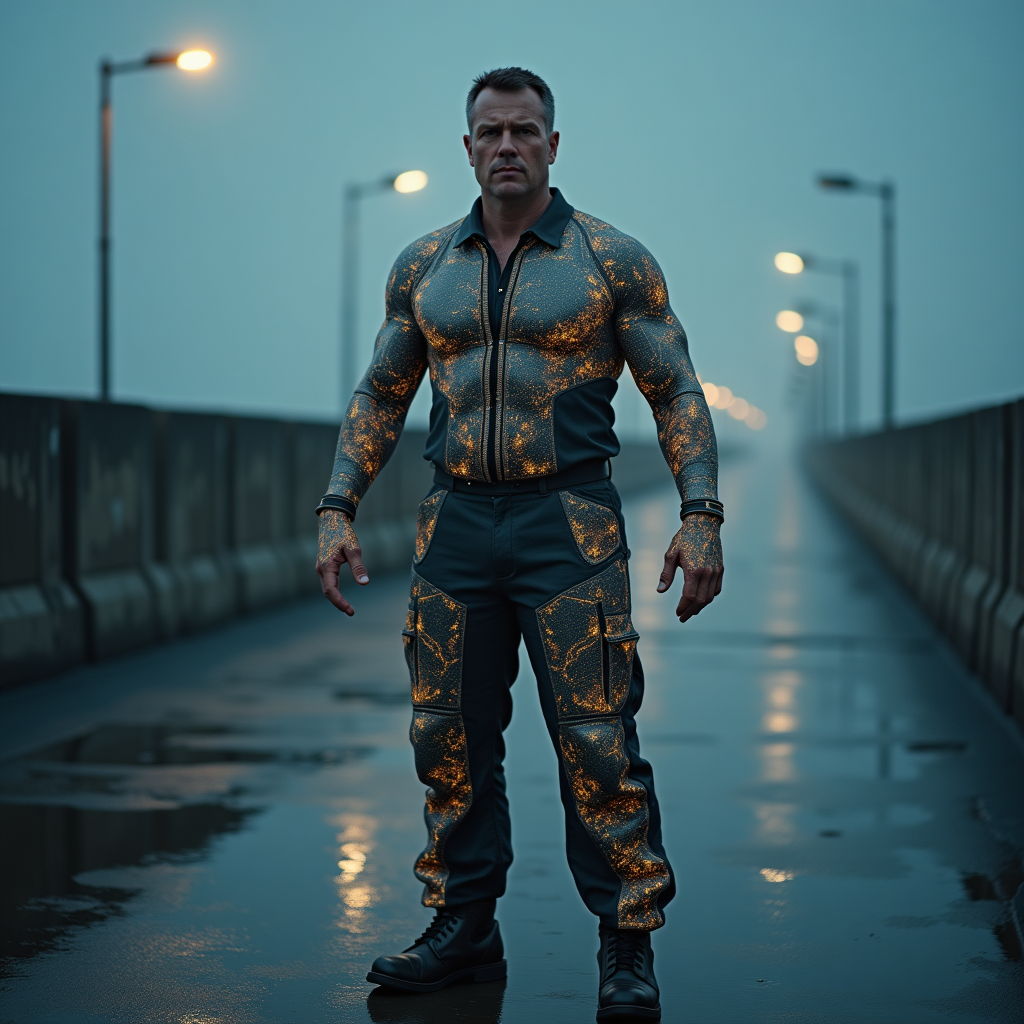
I’m a forty-three-year-old drywall contractor. I eat lunch in my truck. I listen to classic rock at a reasonable volume. I am not supposed to be a superhero.
But last June, I’m sitting in the usual Route 72 backup — the summer crawl, a mile of hot steel and honking horns all trying to squeeze onto Long Beach Island — and something shifts. Not in the traffic. In me.
Every sound hits differently. The drone of idling engines, the thump of bass from someone’s Jeep three cars back, the shriek of a kid in a minivan — I can feel it all pressing against the inside of my skull like water behind a dam.
Then, without meaning to, I pushed back.
The noise didn’t stop. It went somewhere else. Toward the bay, maybe. I don’t know. All I know is that for about four seconds, there was silence on the causeway. Real silence. On a Saturday in July.
The guy behind me honked like I’d fallen asleep at the wheel. I had not.
Part Two: Following the Thread
I started noticing it around town. The neighborhoods on the far side of the bridge — the ones that catch the worst of the seasonal noise, the ones that have been catching it for decades — they were getting louder. Not just regular summer loud. Disorienting loud. People couldn’t sleep. Conversations stopped making sense halfway through.
Old Mr. Vega at the hardware store on Route 9 told me he couldn’t hear his own grandkids on the phone anymore. Said it felt like the town was filling up with something.
The sounds were being pushed somewhere. Concentrated. And it wasn’t me doing it.
I drove the Bay Bridge three nights in a row after work. Parked in the lot near the boat ramp, walked the edge of Manahawkin Bay under the concrete pillars, and listened with whatever I’d become. There was a shape to it — a deliberate redirection. Sound being herded like cattle down the waterway toward the residential side of town.
Someone else had this power. And they were using it wrong on purpose.
Part Three: The Reveal
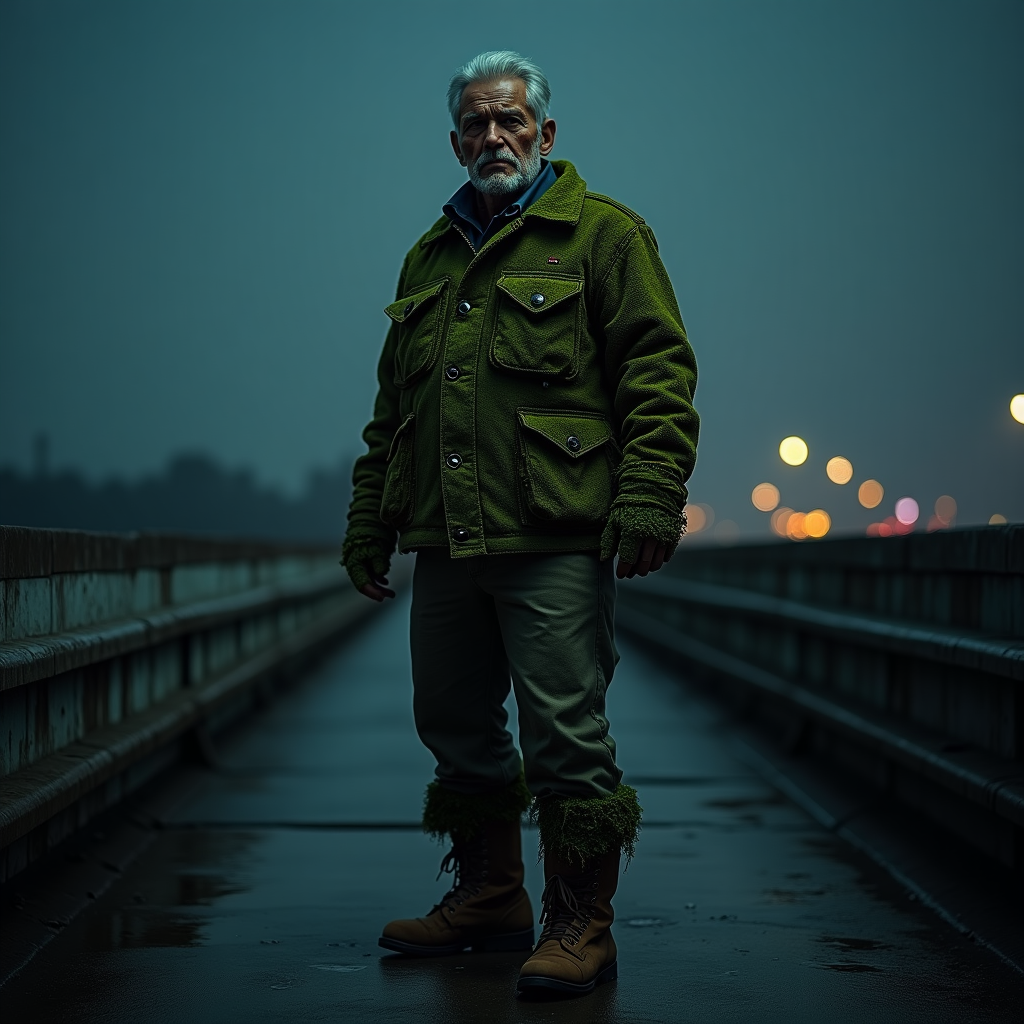
His name was Coldmarsh — Ernesto Salcedo in a past life, before whatever happened to him in the bay happened to him. Seventies, gray-haired, furious in the calm way only old men with long memories manage. He’d grown up in the neighborhoods behind the bridge. Watched his community get noise-dumped on for forty years while the tourists sailed through without a second thought. I get it. I really do.
But he was making it worse.
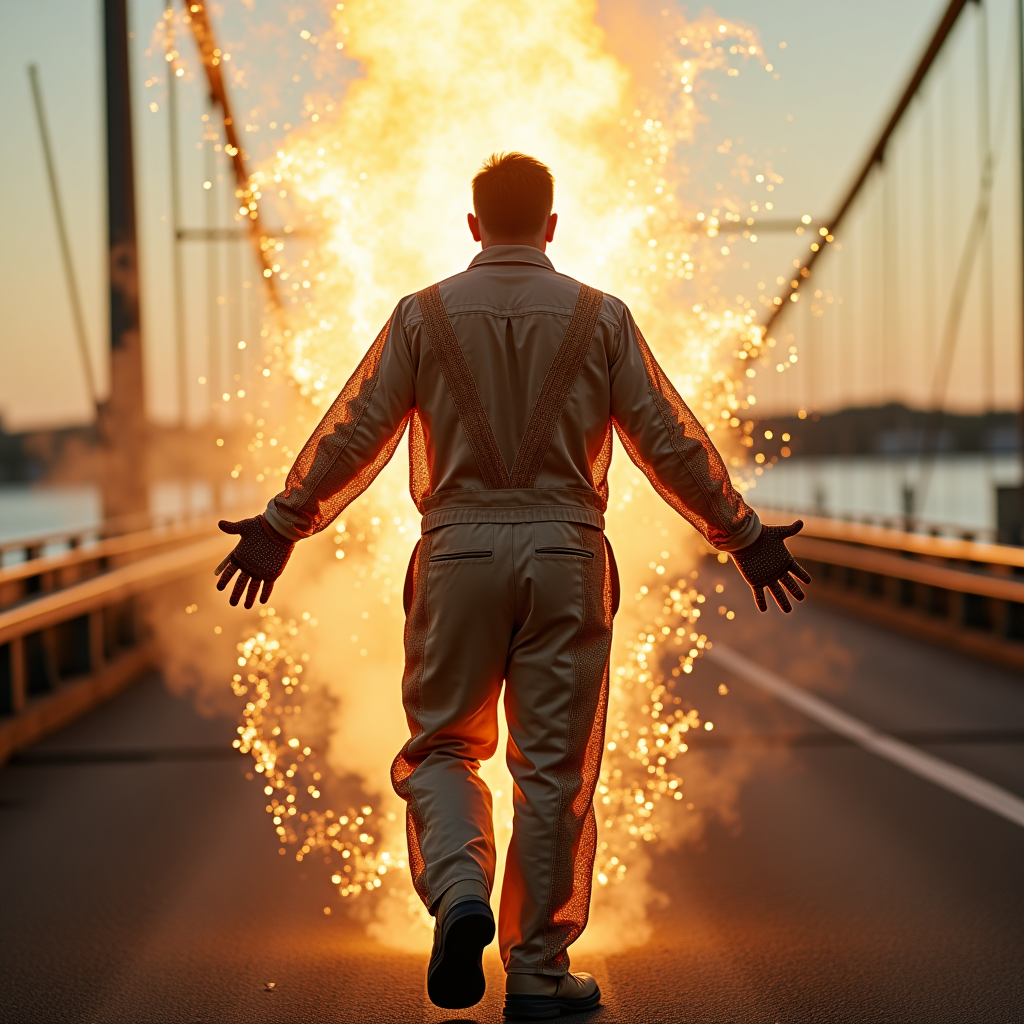
He stood on the bridge walkway at two in the morning, arms out, and the bay sang around him — a low sustained roar channeled through the water itself, vibrating up through the concrete and into the air.
I pushed against it.
He pushed back.
It felt like a wall of pressure hitting another wall of pressure, the sound compressed between us into something almost visible — a shimmering distortion in the air above the railing, the bay surface rippling outward in rings below. My ears screamed. His face was set like stone.
I stopped trying to cancel him and redirected instead — pulled the sound up and over the bridge, sent it wide across the open water where it dissipated into nothing. He staggered. Redirecting takes more out of you than absorbing. I know that now.
He sat down heavily on the walkway. I sat next to him. We were both breathing hard.
“You’re not wrong,” I said, because he wasn’t.
“I know,” he said.
Part Four: Aftermath
I still do drywall Monday through Friday. I still eat lunch in my truck.
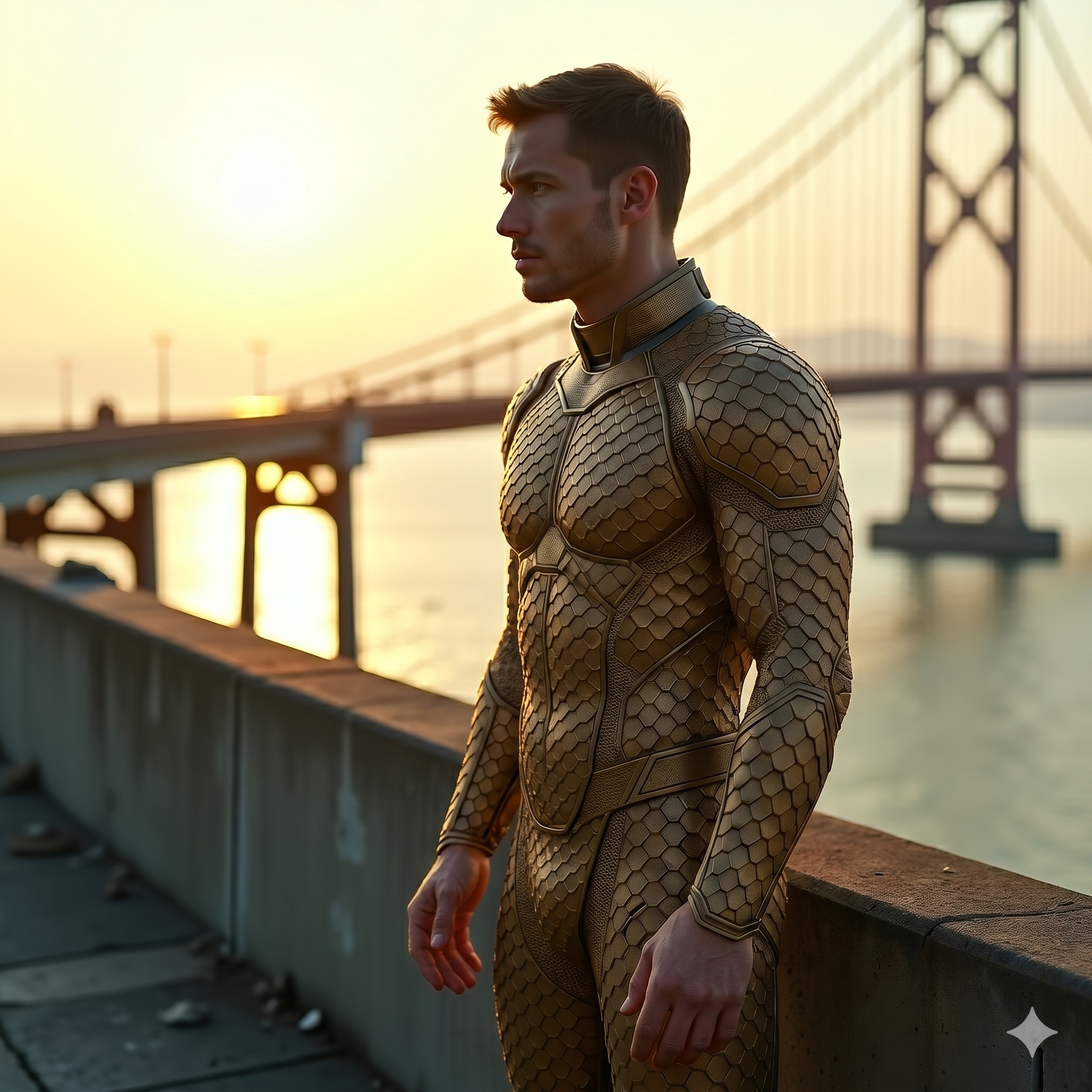
But on weekends I walk the causeway and move the noise around — away from the neighborhoods, out over the water, into the empty air above the bay where it belongs. It’s not a fix. Nothing about summer traffic on Route 72 is fixable. But it’s something.
Coldmarsh is still out there. I haven’t seen him since the bridge. But the sounds in those neighborhoods are still being shaped by something, and it isn’t me.
He’s not done making his point.