Part One: The Cold Open
The Koyo album dropped at midnight, and by 7 a.m. the line outside Asbury Lanes stretched halfway down Cookman Avenue. Shoreline Tidewell — Elena to anyone not currently terrified of her — noticed the problem before she reached the door. The planters outside the old Steinbach’s corner were wrong. The soil in every box had been turned, deliberately, the way you turn soil when you want something to breathe underneath. She knew that kind of turning. It smelled like the Ashenbourne hatboxes.
Dottie Kern materialized from a doorway, holding a paper coffee cup like a weapon. “He’s been on Cookman since four,” she said. “I counted six planters. That’s not a hobby.”
Part Two: The Investigation
Elena followed the turned soil west. Sixth planter, seventh — the compound was already metabolizing into something. Not the Strangler this time. This one moved faster, the root tips pale orange instead of green. At the intersection of Cookman and Main she crouched and pressed her palm to the brick. The aquifer was there, deep and calm — but the pressure was off. Not low, like last time. Lateral. Something was pushing sideways through the clay-sealed fractures, following the old 1922 survey lines like a map.
She caught Dottie by the elbow. “The survey lines. He found the secondary manifold.”
“The Bond Street junction box,” Dottie said, without blinking. “It’s been sealed since 1931. I told you the 1893 records were missing. I should have said taken.”
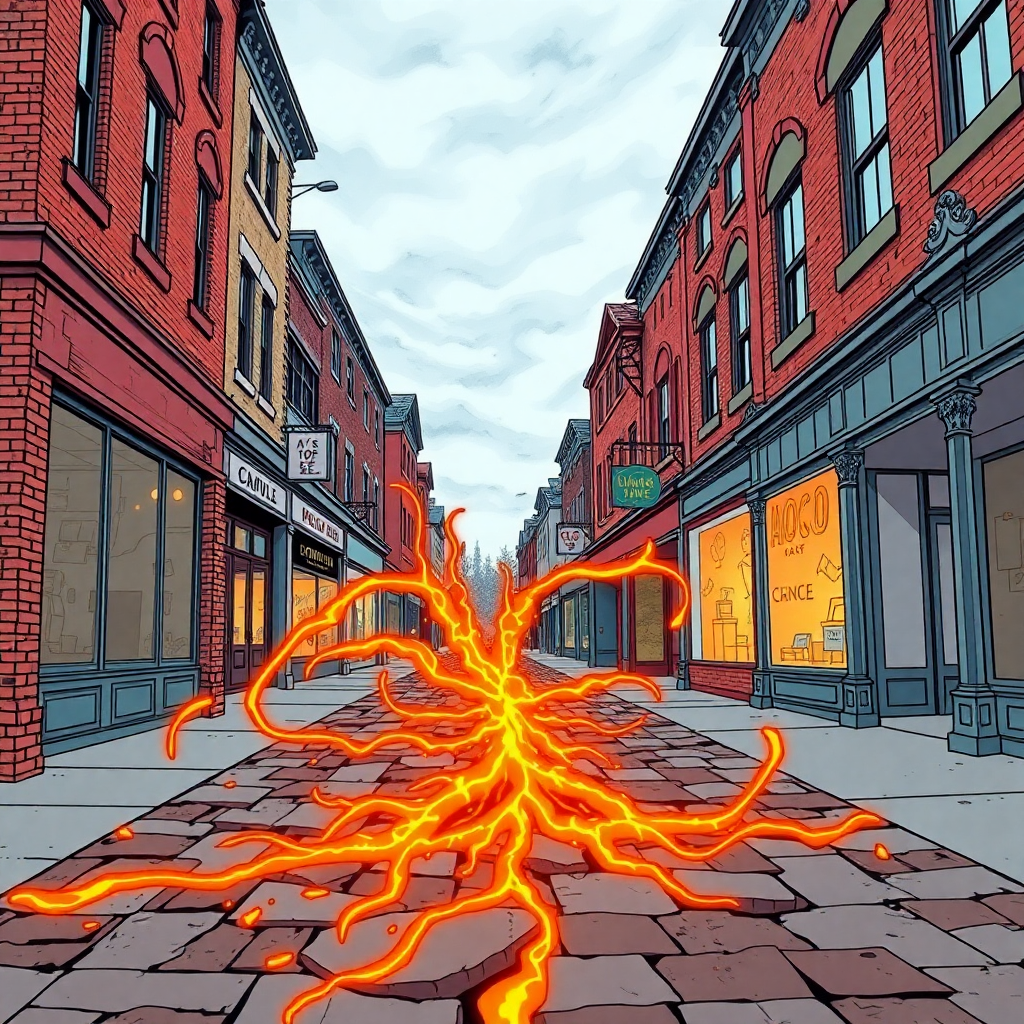
Elena ran. The Bond Street junction cover had been pried clean. Below it, orange root tendrils were already threading the secondary manifold walls, and the whole channel smelled of salt and something sweet and wrong.
Part Three: The Pivot
She understood it then. Not the aquifer this time — the soil stack beneath Cookman Avenue. If the secondary manifold’s clay lining failed, the pressure differential would wick brackish water upward through the foundation soil under every Victorian storefront on the block. Not a water main break. A slow, silent poisoning of the root layer — six inches under every foundation, every buried utility line, the capillary bed that kept Cookman’s century-old buildings standing.
Corwin was going to sink the street.
He was paying back 1922 the only way that made sense to a Corsair: take their ground the way the Tidewells took their water.
Part Four: The Reckoning
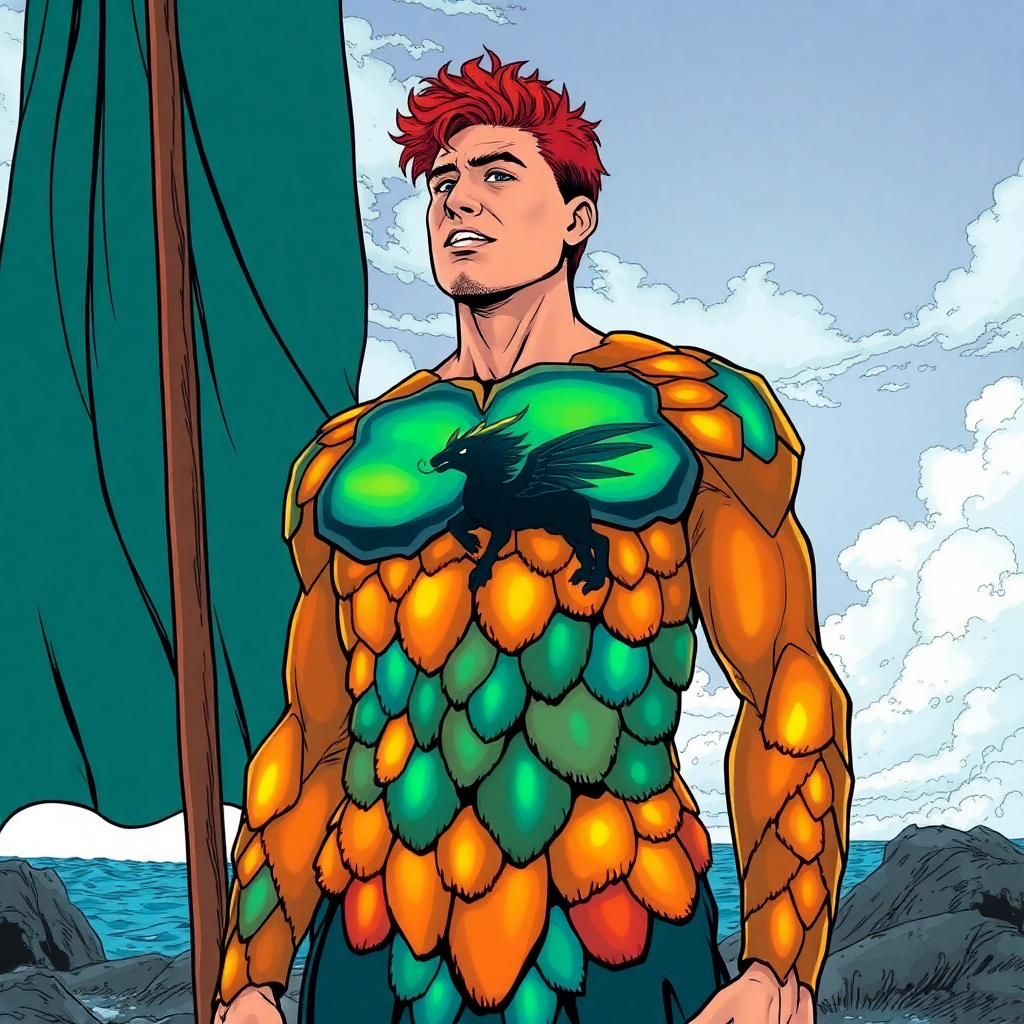
He was already at the Bond Street box when she arrived, red hair catching the morning light, chitin-shell plates gleaming oil-slick bronze. He had both hands in the manifold housing, compound threading from his fingertips in bright orange filaments that spread like capillaries into the clay.
“You’re slower than last time,” he said, pleasantly.
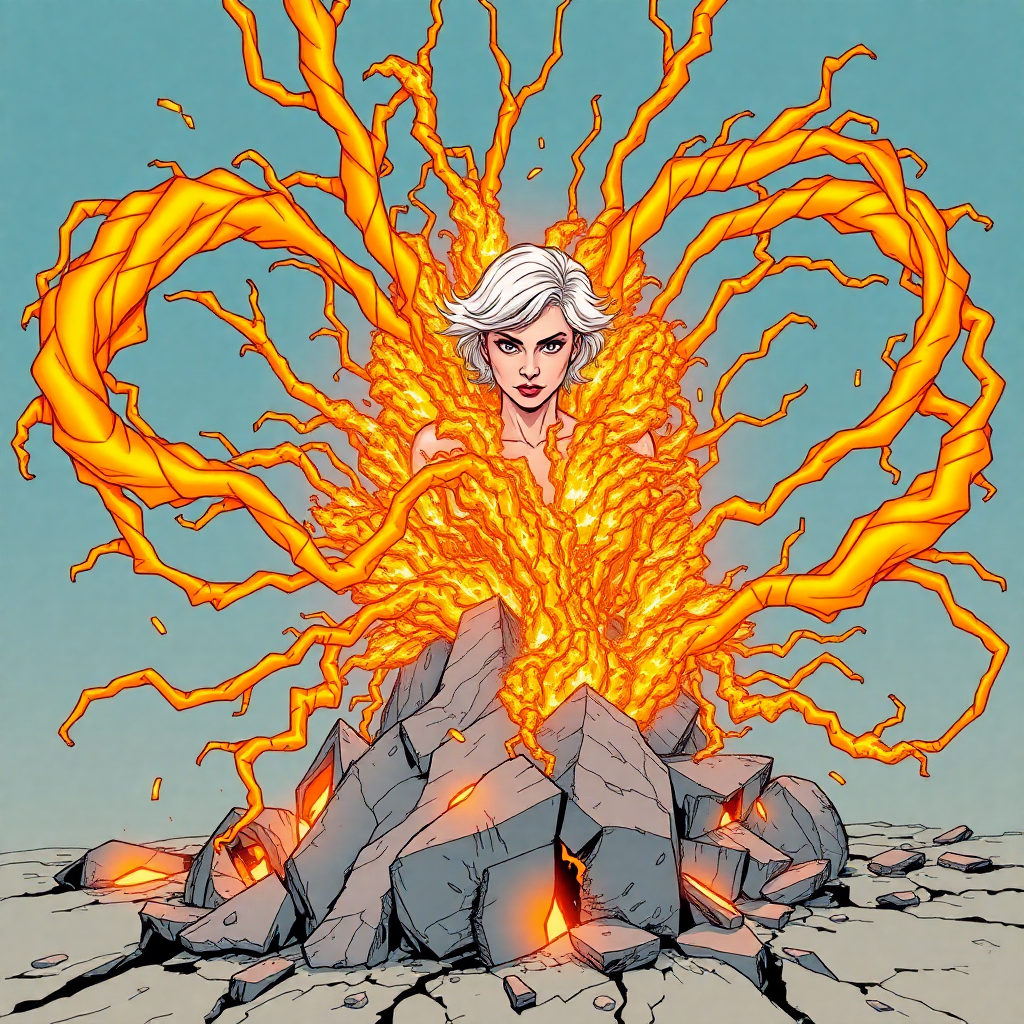
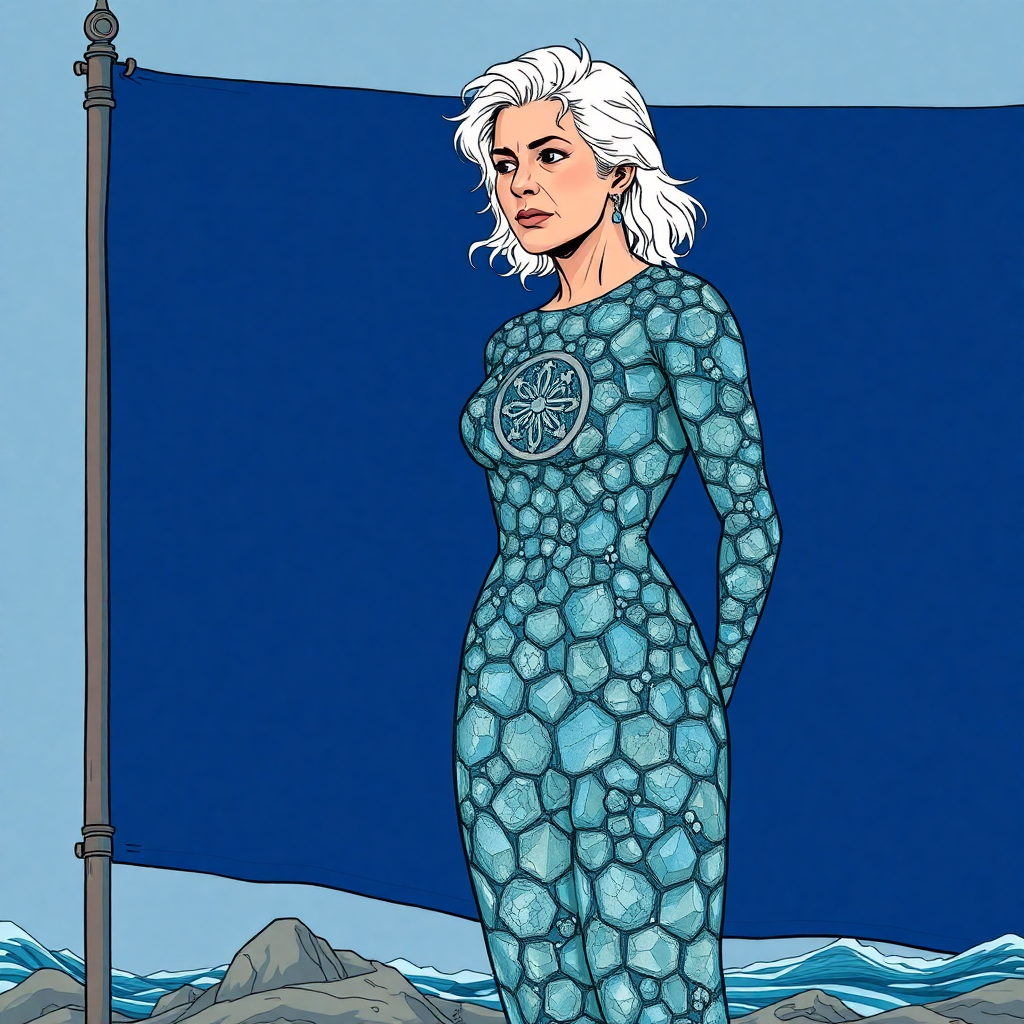
Elena drove pressure up through the aquifer — hard, lateral, a hydrostatic wedge aimed at the manifold channel. The crystal lattice panels on her arms fractured hairline-thin under the counter-pressure, light scattering across the wet bricks. She felt the aquifer push back. She pushed harder.
Corwin smiled and opened his hands wider.
The compound split into two pathways simultaneously. She couldn’t block both. She blocked the deeper line — the one that would have reached the water table — and felt the shallower line slip past her entirely, threading north through the soil stack under the Cookman storefronts. The crystal at her left shoulder cracked through. The pressure bled off.
She hit the secondary manifold valve manually, shutting the channel. Too late. The shallow dose was already through.
Corwin stepped back from the box and brushed orange filament off his cuffs, unhurried. “I only needed the top six inches,” he said. He walked north up Bond Street and was gone before she stopped shaking.
Part Five: The Resolution
By noon, the first Cookman Avenue storefront showed a crack along its front lintel — small, the kind you could call settling. By evening there were three more. The city filed it under infrastructure review and put out orange cones. Dottie Kern sat with Elena on the Boardwalk and did not say I told you so, which was worse.
The Ashenbourne compound was in the soil now, and Corwin had three generations of recipes she’d never seen.
“Dry season,” Elena said, staring at the Atlantic.
“Wet season’s worse,” said Dottie. “He knows that too.”
Sources
- 25 teams are in the softball Shore Conference Tournament. Seedings, schedule
- NJ ex-fireman ‘ready for war’ when he launched into violent rampage triggered by breakup: prosecutors
- Koyo Premiere New Single & Music Video “Barely Here” From Brand New Album
- Shore boys volleyball Junior Player of the Year poll from Alliance Orthopedics
- Nonpoint Premiere New Single & Lyric Video “Is It” From Upcoming New Album “The Last Word”
- Lucy Dacus Unveils Reflective New Single “Planting Tomatoes”: Stream
- Where to Find Tickets to the Strokes’ 2026 Reality Awaits Tour
- 2 Jersey Shore BMX scene trailblazers stoked for new X Games League
- VOTE Who was the Shore Conference’s top baseball player for Week 3?
- Jackson High School merger helped two track & field stars take off
- Asbury Park, New Jersey — Wikipedia
- U.S. Census Bureau, American Community Survey 5-Year Estimates (2022)